

What is Penis PRP Enlargement Therapy: Benefits, Cost, Procedure & Results Explained
1. What is Penis PRP Enlargement Therapy?
PRP (Platelet-Rich Plasma) has been used in medicine for years, particularly in healing injuries and speeding up recovery in sports medicine and orthopedics, where it has more established evidence. More recently, some clinics have begun offering it for sexual wellness purposes, including erectile dysfunction, Peyronie’s disease, and, more controversially, penile enlargement.
The therapy uses growth factors from your own blood, with the idea that they may stimulate tissue regeneration. It’s worth being upfront that the evidence specifically supporting PRP for penile enlargement is limited — there is more independent research on PRP for erectile dysfunction and Peyronie’s disease than for enlargement specifically, and claims about size increases should be treated with appropriate skepticism.
2. What Is the Penis PRP Procedure?
PRP therapy uses your own blood to support tissue repair. A small blood sample is taken and placed in a centrifuge, which spins it to separate concentrated platelets from the rest of the blood components. This plasma is then injected into targeted areas of the penis.
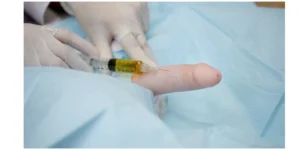
The theory is that these growth factors may stimulate tissue changes and blood flow. Some men who’ve tried PRP therapy report increased sensitivity and improved erections — these are self-reported outcomes rather than results from large independent clinical trials, so individual experience varies considerably.
3. How Does PRP Therapy Work?
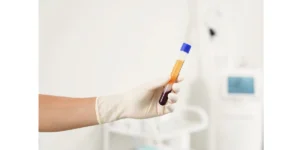
- Drawing the Blood: The process begins with a routine blood draw, similar to any standard blood test. The sample is then placed in a centrifuge.
- Isolating the PRP: The centrifuge spins the blood rapidly, separating out the platelet-rich plasma, which contains growth factors involved in healing and tissue repair.
- Targeted Injections: The PRP is injected into specific areas of the penis. The theory is that growth factors may stimulate the body’s natural regenerative processes and blood circulation, though the extent of this effect for enlargement specifically is not well-established.
- Recovery Period: As the treated tissue heals, some men report improvements in erectile firmness and sensitivity. Because the treatment uses your own blood, allergic reaction risk is low, though this doesn’t mean the procedure is risk-free or guaranteed effective.
4. Reported Benefits of Penis PRP Therapy
Proponents describe several potential benefits of PRP therapy. It’s worth noting these vary significantly in how well-supported they are by independent evidence.
- Non-Surgical and Minimally Invasive: Unlike traditional surgeries, PRP therapy doesn’t involve cuts or stitches, and recovery time is typically short. This is a genuine practical advantage regardless of effectiveness claims.
- Uses Your Own Blood: Because the treatment uses autologous (your own) blood, there’s minimal risk of allergic reaction, unlike synthetic fillers.
- Reported Erectile Function Improvement: Some clinical interest exists here — PRP has more independent research support for erectile dysfunction than for enlargement specifically, though it remains an emerging rather than first-line treatment.
- Claimed Size and Girth Changes: This is the least independently supported claim. Reported size changes come primarily from clinic marketing materials and anecdotal reports rather than controlled studies, so treat specific numbers with real skepticism.

5. Potential Risks and Side Effects
While PRP is generally considered lower-risk than surgery, it is still a medical procedure with real risks and should not be treated casually.
- Common Side Effects: Swelling, bruising, or tenderness around injection sites, which usually resolves on its own. Some men report discomfort in the first few hours after injection.
- Consultation Is Essential: Always consult a licensed, experienced medical practitioner — not just a cosmetic clinic marketing this treatment. They should review your health history and give you a realistic, evidence-based picture of what to expect, not just marketed outcomes.
6. Cost of Penis PRP Therapy
Before deciding on any treatment, it’s important to understand the cost, and to know that this is generally an out-of-pocket cosmetic procedure.
How Much Does PRP Therapy Cost?
Pricing varies widely. A single session commonly ranges from roughly $1,500 to $3,600, though this depends heavily on location, provider, and how many sessions are recommended — note that per-session and multi-session pricing structures can create an incentive for providers to recommend more sessions than may be medically necessary.
What Can Influence the Cost?
- Clinic Location: Major cities and high-cost areas tend to charge more.
- Practitioner’s Expertise: More experienced or specialized providers may charge more.
- Number of Treatments Needed: Multiple sessions increase total cost — ask upfront how many sessions are actually necessary versus recommended.
- Insurance Coverage: This is considered a cosmetic procedure and is generally not covered by insurance.
7. Is Penis PRP Therapy Right for You?
This isn’t a decision to make based on marketing materials alone.
- Who Might Consider It: Men interested in a non-invasive option for sexual wellness, particularly if erectile dysfunction or Peyronie’s disease is the primary concern rather than enlargement alone.
- Age and Health: Overall health matters more than age alone. Any underlying medical conditions should be discussed with a doctor before considering PRP.
- Get an Independent Opinion: Because PRP for enlargement is often marketed directly by clinics that profit from selling it, it’s worth getting an opinion from a urologist who isn’t the one selling you the treatment, so you get an unbiased view of whether it’s appropriate for your situation.
Conclusion
Penis PRP therapy is a non-surgical procedure with more independent support for erectile dysfunction and Peyronie’s disease than for enlargement specifically. If you’re considering it, get a consultation from an independent medical provider (not just the clinic selling the treatment), ask directly what independent evidence exists for your specific goal, and treat marketed “before and after” results as anecdotal rather than guaranteed outcomes.
Frequently Asked Questions (FAQs)
How long do the results last?
Reported results vary widely and there’s limited independent long-term data. Some clinics suggest effects lasting months, with repeat treatments recommended — ask your provider for the actual evidence behind any specific duration claim.
Are there alternatives to PRP therapy for penile concerns?
Yes. Depending on the underlying concern, options include vacuum devices, traction therapy, oral medications for ED, penile implants, and surgical options — each with different evidence bases, so this is worth discussing with a urologist rather than choosing based on marketing alone.
References
- Mayo Clinic. Platelet-Rich Plasma (PRP) Therapy: Overview.
https://www.mayoclinic.org/tests-procedures/platelet-rich-plasma/about/pac-20385385 - Cleveland Clinic. Platelet-Rich Plasma (PRP) Injections: Uses, Risks & Benefits.
https://my.clevelandclinic.org/health/treatments/17167-platelet-rich-plasma-prp-injections - National Library of Medicine (NIH/PubMed). Platelet-Rich Plasma in Andrology: Review of Mechanisms and Evidence in Erectile Function.
https://pubmed.ncbi.nlm.nih.gov/32651191/ - Urology Care Foundation (American Urological Association). Erectile Dysfunction: Causes and Treatment Options.
https://www.urologyhealth.org/urology-a-z/e/erectile-dysfunction-(ed)