
Can Blood Thinners Cause ED? Causes, Risks & Treatment Options Explained
Introduction
Blood thinners, also known as anticoagulants, are life-saving medications prescribed to prevent blood clots, strokes, and heart attacks. They work by reducing the blood’s ability to clot — which is crucial in certain medical conditions like atrial fibrillation, deep vein thrombosis (DVT), or after certain surgeries.
However, for many men, a pressing concern arises:
“Can blood thinners cause ED (erectile dysfunction)?” The short answer: Blood thinners are not a direct cause of ED — but they can indirectly contribute to erection problems in certain situations.
This article explores the connection between blood thinners and erectile dysfunction in detail, why some men on these medications experience sexual difficulties, and the safe treatment options available.
1. Understanding Erectile Dysfunction
When asking “Can blood thinners cause ED?”, it’s important to first understand what erectile dysfunction is. Erectile dysfunction (ED) refers to the consistent difficulty in getting or sustaining an erection sufficient for satisfactory sexual activity.
Some Common Causes of ED Include:
- Cardiovascular disease (reduced blood flow to the penis)
- Diabetes (nerve and vessel damage)
- Hormonal imbalances (low testosterone)
- Psychological factors (stress, anxiety, depression)
- Medications (some antidepressants, blood pressure drugs, and potentially blood thinners indirectly)
📌 Related reading: Main Causes of Erectile Dysfunction Explained.
2. How Erections Work – Why Blood Flow Matters
A healthy erection relies on good blood circulation. Here’s how it happens:
- Sexual arousal triggers brain signals.
- These signals relax blood vessels in the penis.
- Blood rushes in and fills the erectile tissues (corpora cavernosa).
- Veins compress to trap the blood, maintaining the erection.
Anything that interferes with this process — whether poor circulation, nerve damage, or psychological stress — can lead to ED.
When men ask, “do blood thinners cause ED?”, it’s worth remembering:
- Blood thinners usually improve circulation by preventing clots.
- They don’t damage nerves or directly lower testosterone.
- But the health conditions that require blood thinners are often linked to ED.
3. What Blood Thinners Do in the Body
Blood thinners don’t literally “thin” the blood — they reduce its clotting ability. There are two main types:
- Anticoagulants
These interfere with proteins involved in clotting.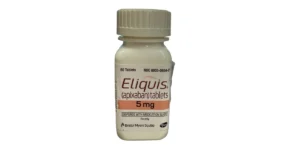
- Warfarin (Coumadin)
- Apixaban (Eliquis)
- Rivaroxaban (Xarelto)
- Dabigatran (Pradaxa)
- Antiplatelet Drugs
These stop platelets from sticking together.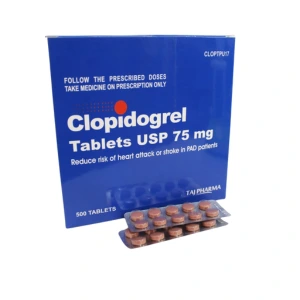
- Aspirin
- Clopidogrel (Plavix)
Both are effective at preventing dangerous blood clots — but they can also increase bleeding risk.
4. Can Blood Thinners Cause ED Directly?
👉 No. Blood thinners themselves are not known to directly cause erectile dysfunction.
They do not:
- Lower testosterone
- Block nerve signals
- Directly interfere with the erection process
Indirect Links Between Blood Thinners & ED
- Underlying Health Conditions
- Men prescribed blood thinners often have cardiovascular disease, circulation problems, or a history of stroke.
- These are already major ED risk factors.
- Medication Interactions
- Blood thinners are often taken alongside other drugs, such as:
- Beta-blockers (for blood pressure or heart conditions)
- Antidepressants
- These medications are much more strongly associated with ED.
- Blood thinners are often taken alongside other drugs, such as:
- Psychological Factors
- Some men feel anxious about sexual activity while on blood thinners.
- Worries about bruising or bleeding can lead to performance anxiety, which itself can trigger ED.
Many people confuse that “Do blood thinners help with ED?”
The truth: Blood thinners are not a treatment for ED. But in some cases, they can indirectly support erectile health by improving blood flow.
That said, the main benefits of blood thinners are:
- preventing strokes, heart attacks, and deep vein thrombosis (DVT)
- They reduced the risk of micro-clots affecting circulation.
- Underlying cardiovascular issues are being better managed.
- Anxiety about stroke or clotting is reduced, improving sexual confidence.
5. Medical Conditions That Overlap: Blood Thinners & ED Risk
The biggest link between blood thinners and erectile dysfunction isn’t the medication itself, but the shared health conditions.
Cardiovascular Disease
- Clogged or hardened arteries that cause heart attacks can also restrict penile blood flow.
- ED is often considered an early warning sign of heart disease.
Peripheral Artery Disease (PAD)
- Poor circulation in the legs often signals poor circulation in the pelvic region.
- Men with PAD commonly report ED symptoms.
Stroke & Neurological Conditions
- Stroke can damage the brain’s sexual arousal pathways.
- Men who’ve had a stroke may struggle with both physical and psychological barriers to sexual health.
👉 In short, the same medical issues that make blood thinners necessary also make ED more likely.
💡 Tip: Use our confidential IIEF-5 Erectile Function Score Calculator to assess your sexual health and track progress over time.
6. Research Evidence: Blood Thinners & Erectile Dysfunction
What does the science say?
- American Journal of Medicine
- Found no direct association between warfarin use and ED.
- But men on warfarin had higher rates of ED due to underlying vascular disease.
- European Urology Review
- Reported that cardiovascular risk factors — not the blood thinners themselves — drive ED problems.
- Other Medications Matter
- Some blood pressure drugs (like ACE inhibitors such as lisinopril) are linked to ED.
- If you’re taking multiple prescriptions, interactions matter more than the blood thinner alone.
Some blood pressure medications, like lisinopril, have also been linked to erectile dysfunction, making it important to review all your prescriptions with your doctor.”
7. Symptoms to Watch for While on Blood Thinners
If you notice:
- Gradually worsening erections
- Lower sexual desire
- Bruising or prolonged bleeding after intercourse
- Pain during erections (rare, but possible due to trauma while on thinners)
Consult your doctor — these could be related to your underlying health, medication interactions, or other treatable causes.
8. Managing ED While on Blood Thinners
Step A: Medical Check-Up
If you’ve searching “Can blood thinners cause ED?”, here are solutions:
Cardiovascular evaluation – since ED is often an early sign of heart disease.
Hormone testing – low testosterone can mimic ED symptoms.
Diabetes screening – high blood sugar damages blood vessels and nerves.
Medication review – other drugs (antidepressants, antihypertensives) may worsen ED.
👉 A thorough medical assessment ensures the real root cause is treated, not just the symptoms.
Step B: Lifestyle Improvements
Quit smoking – boosts circulation
Exercise regularly – strengthens heart & improves blood flow
Eat a heart-healthy diet – Mediterranean diet works well
Reduce stress – mental health is closely tied to sexual function
Step C: Medication Adjustments
If another medication is the culprit, your doctor may adjust it — never stop blood thinners on your own.
Step D: ED Treatments That Work With Blood Thinners
a) Oral PDE5 inhibitors (Viagra, Cialis, Levitra) – safe for most men on blood thinners, but check with your doctor
Another common question many men ask ? “Is it safe to take Viagra with blood thinners?”
Yes — in most cases, Viagra (sildenafil) and similar PDE5 inhibitors like Cialis (tadalafil) or Levitra (vardenafil) are safe to use while taking blood thinners.
However, there are a few safety points to keep in mind: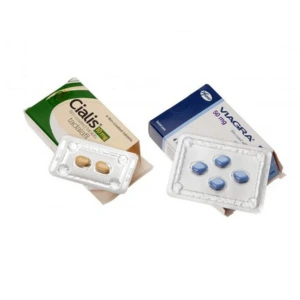
- Bleeding risk is not increased by Viagra itself. Blood thinners increase bleeding risk, but Viagra does not interfere with clotting.
- Check for medication interactions. If you are also taking nitrates (such as nitroglycerin for chest pain), combining them with Viagra can dangerously lower blood pressure.
- Start with the lowest effective dose. Your doctor may suggest a lower dose initially to reduce side effects like dizziness or headaches.
- Medical supervision is essential. Always consult your doctor before combining Viagra with blood thinners to ensure safety based on your full health profile.
b) Vacuum erection devices – increase blood flow naturally
C) Penile injections – Like Penis PRP are safe but may require caution due to bleeding risk
d) Shockwave therapy – improves penile circulation over time
Related reading: What is Penis PRP Therapy and How Does It Work?.
9. Safety Tips for Sexual Activity on Blood Thinners
- Avoid positions or activities that risk injury to the penis or groin.
- Use adequate lubrication to reduce friction and prevent skin tears.
- Monitor for unusual bruising or prolonged bleeding after sex.
- Communicate openly with your partner about your condition to avoid anxiety and ensure comfort.
- Start slowly and gently, especially if you are new to blood thinner medication.
- Avoid rough or prolonged intercourse that might increase the risk of tissue injury.
- Keep fingernails trimmed and avoid sharp objects (jewelry, toys with edges) that could cause cuts or abrasions.
- Stay hydrated, as good circulation supports sexual health.
- Use condoms or protection if there’s a risk of tearing, to reduce skin injury.
- Schedule intimacy during times when you feel most energetic and relaxed, which can lower performance anxiety.
- Consult your doctor before trying new ED treatments or sexual aids, as some may interact with blood thinners.
When to Seek Immediate Help
Call your doctor or go to the ER if you experience:
- Severe, prolonged bleeding after sex
- Painful erection lasting more than 4 hours (priapism)
- Sudden chest pain or shortness of breath
Key Takeaways
Erectile dysfunction is a sensitive but common issue for men on blood thinners. While the medications themselves don’t directly cause ED, the health conditions requiring them often do.
The best approach is:
- Can blood thinners cause ED? Generally, no — but they can indirectly contribute through
- Never stop blood thinners without medical guidance — the clotting risk is far more dangerous than ED.
- Treat underlying cardiovascular issues
- Use safe ED therapies (lifestyle, medications, devices, or PRP)
- Stay informed about drug interactions
- Prioritize both heart and sexual health
By working closely with healthcare providers, men can enjoy both a longer life and a fulfilling sex life — even while on blood thinners.
FAQs
Q1: Can blood thinners cause ED directly?
No. Blood thinners do not directly cause erectile dysfunction. However, people often ask, “Can blood thinners cause ED?” because the underlying conditions that require these medications — such as heart disease, poor circulation, or stroke — are strongly linked to erectile dysfunction.
Q2: Does Eliquis cause erectile dysfunction?
Eliquis (apixaban) is a blood thinner used to prevent blood clots. Erectile dysfunction (ED) is not listed as a common side effect of Eliquis. However, some men may experience ED while taking it, usually due to underlying health conditions (such as heart disease, circulation issues, or diabetes) that also require blood thinners.
Q3: Why do some men experience ED while on blood thinners medicine?
Erectile dysfunction in men on blood thinners often results from cardiovascular disease, medication interactions (like beta-blockers or antidepressants), or psychological anxiety about sexual activity, rather than the blood thinners themselves.
Q4: Can ED medications be taken safely with Eliquis?
Some ED drugs (like Viagra, Cialis, Levitra) are generally safe with Eliquis, but there may be risks of interactions, especially if you have heart problems. Always get your doctor’s approval before combining treatments.
Q5: Are Viagra or Cialis safe to use with blood thinners?
Yes, most men on blood thinners can safely use PDE5 inhibitors such as Viagra, Cialis, or Levitra.But since the question “Can blood thinners cause ED?” often arises, it’s crucial to consult a healthcare provider to ensure safety and rule out other causes of erectile dysfunction.
Q6: Do blood thinners improve or worsen blood flow for erections?
Blood thinners generally improve circulation by preventing blood clots. They don’t damage blood vessels, but ED may still occur if cardiovascular disease, diabetes, or nerve issues are present.
Asking “Can blood thinners cause ED?” is common, but often the root cause lies in overall vascular health rather than the medication itself.
Q7: What should I do if I develop ED after starting blood thinners?
Don’t stop your medication without medical advice. Instead, consult your doctor to rule out other causes, review possible drug interactions, and explore safe ED treatments such as lifestyle changes, PDE5 inhibitors, or vacuum erection devices.
Q8: What should I do if I notice erectile dysfunction while taking Eliquis?
Do not stop taking Eliquis without talking to your doctor, as this can increase your risk of serious blood clots or stroke. Instead:
- Discuss your symptoms with your healthcare provider.
- Ask whether your ED may be linked to other conditions, lifestyle factors, or medications.
- Your doctor may suggest ED treatments such as lifestyle changes, counseling, or safe medications like sildenafil (Viagra) if appropriate.
References
- Mayo Clinic. Erectile Dysfunction: Causes and Risk Factors.
https://www.mayoclinic.org/diseases-conditions/erectile-dysfunction/symptoms-causes/syc-20355776 - American Heart Association. Blood Thinners: How They Work and Safety Tips.
https://www.heart.org/en/health-topics/heart-attack/treatment-of-a-heart-attack/blood-thinners - MedlinePlus – Anticoagulants. Warfarin, Eliquis, Xarelto, and Pradaxa Overview.
https://medlineplus.gov/anticoagulants.html - European Urology Review. Cardiovascular Risk Factors and Erectile Dysfunction.
https://www.europeanurology.com/article/S0302-2838(17)30700-4/fulltext - American Journal of Medicine. Association Between Warfarin and Erectile Dysfunction.
https://www.amjmed.com/article/S0002-9343(18)30417-3/fulltext - Cleveland Clinic. ED Treatments: PDE5 Inhibitors, Vacuum Devices, and PRP Therapy.
https://my.clevelandclinic.org/health/diseases/10988-erectile-dysfunction-treatment - NIH – MedlinePlus. Medication Interactions with Blood Thinners.
https://medlineplus.gov/druginfo/meds/a682044.html
- Mayo Clinic. Erectile Dysfunction: Causes and Risk Factors.