
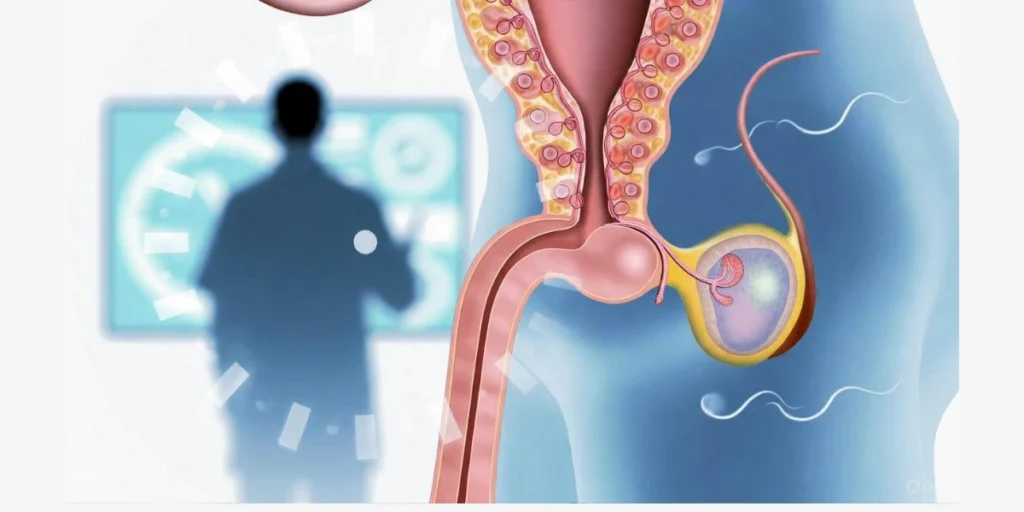
Sperm Quality Recovery After Stress: How Long It Takes and What Really Works
Introduction
Stress has become an unavoidable part of modern life. Long working hours, financial pressure, relationship concerns, sleep deprivation, and constant mental load all take a toll on the body. What many men don’t realize is that chronic stress can significantly affect fertility, particularly sperm health. In my clinical practice, I frequently see men worried about declining sperm reports without understanding the hidden role stress plays.
The good news is that sperm quality recovery after stress is not only possible but very common when the root cause is identified early. Stress-related sperm damage is often reversible because sperm production is a continuous process. With the right lifestyle changes, medical support, and time, most men experience noticeable improvement.
In this article, I will explain how stress affects sperm quality, the timeline for recovery, evidence-based medical and natural treatments, and practical steps you can take to restore fertility safely and effectively.
1. How Stress Affects Sperm Quality
1.1 Hormonal Disruption: Cortisol vs Testosterone
When the body is under stress, it releases cortisol and adrenaline. These hormones are essential for short-term survival, but chronic elevation disrupts the delicate balance of male reproductive hormones.
High cortisol levels suppress:
- Testosterone production
- Luteinizing hormone (LH)
- Follicle-stimulating hormone (FSH)
Low testosterone directly impacts sperm production, libido, erectile function, and overall reproductive health. This hormonal imbalance is one of the main reasons sperm quality recovery after stress takes time rather than happening instantly.
1.2 Impact on Spermatogenesis (Sperm Production Cycle)
Sperm are produced in the testes through a process called spermatogenesis, which takes approximately 70–74 days. This means:
- Stress today affects sperm quality 2–3 months later
- Recovery also follows the same biological timeline
Chronic stress interferes with:
- Sperm count
- Sperm motility
- Sperm morphology
This is why fertility specialists usually recommend repeating semen analysis after three months when addressing stress-related infertility.
1.3 Oxidative Stress and Sperm DNA Damage
Psychological stress increases oxidative stress in the body. Excess free radicals damage:
- Sperm membranes
- Mitochondria (energy centers)
- Sperm DNA
Sperm DNA fragmentation is increasingly recognized as a major cause of infertility, miscarriages, and failed IVF cycles. Fortunately, antioxidant therapy and stress reduction significantly improve DNA integrity, supporting sperm quality recovery after stress.
2. Causes and Risk Factors of Stress-Related Sperm Damage
Not all stress affects fertility equally. The following are common contributors seen in infertile men:
2.1 Psychological Causes
- Chronic anxiety
- Depression
- Performance pressure
- Relationship conflicts
2.1 Lifestyle and Occupational Stress
- Long working hours
- Night shifts
- Job insecurity
- Overtraining in the gym
2.3 Poor Stress-Coping Habits
- Smoking
- Alcohol consumption
- Junk food
- Excessive caffeine
2.4 Physical Stressors
- Sleep deprivation
- Obesity
- Chronic illness
2.5 Stress Source vs Sperm Impact
| Stress Factor | Effect on Sperm |
| Chronic anxiety | Low count, poor motility |
| Poor sleep | Reduced testosterone |
| Alcohol | Abnormal morphology |
| Smoking | DNA fragmentation |
| Overtraining | Hormonal suppression |
3. Signs and Symptoms of Poor Sperm Quality After Stress
Stress-related sperm damage often goes unnoticed until conception is delayed. Common warning signs include:
- Difficulty conceiving
- Low sperm count on semen analysis
- Poor sperm movement (asthenozoospermia)
- Abnormal sperm shape
- Erectile dysfunction
- Reduced libido
- Fatigue and low motivation
If you notice these signs, early evaluation improves the chances of sperm quality recovery after stress.
4. Diagnosis and Tests to Assess Sperm Quality Recovery After Stress
Semen Analysis (Primary Test)
A standard semen analysis evaluates:
- Sperm concentration
- Motility
- Morphology
- Semen volume
Repeat testing after 3 months helps track recovery.
Advanced Fertility Tests
For men with persistent abnormalities:
- Sperm DNA fragmentation test
- Hormonal profile (FSH, LH, Testosterone, Prolactin)
- Thyroid function tests
- Vitamin D levels
These tests help differentiate stress-related damage from structural or genetic causes.
When Should Testing Be Repeated?
Since spermatogenesis takes ~74 days, testing is ideally repeated after:
- 3 months of stress management
- Lifestyle correction
- Antioxidant therapy
5. Medical Treatment Options for Sperm Quality Recovery After Stress
5.1 Correcting Hormonal Imbalance
Medical treatment focuses on:
- Normalizing testosterone naturally
- Avoiding unnecessary testosterone replacement therapy (TRT)
- Treating thyroid or prolactin abnormalities
TRT should never be used casually, as it suppresses sperm production.
5.1 Antioxidant and Fertility Supplements
Evidence-based supplements include:
- Coenzyme Q10
- Vitamin C and E
- Zinc
- Selenium
- L-Carnitine
- Omega-3 fatty acids
These improve sperm motility, morphology, and DNA integrity.
When Is Medical Intervention Necessary?
- Severe oligospermia
- High DNA fragmentation
- Failed natural conception after lifestyle correction
In such cases, referral to a fertility specialist is recommended. You can find more guidance on male fertility at https://erectileandfertilityguide.com.
6. Natural Ways to Improve Sperm Quality After Stress
6.1 Stress Reduction Techniques
- Mindfulness meditation
- Cognitive behavioral therapy
- Breathing exercises
- Yoga
Clinical studies show that psychological therapy alone can significantly improve semen parameters.
6.2 Diet for Sperm Recovery
Adopt a fertility-supportive diet:
- Fruits and vegetables
- Nuts and seeds
- Olive oil
- Fish
- Whole grains
Avoid processed foods and trans fats.
6.3 Exercise: Finding the Right Balance
- Moderate exercise boosts testosterone
- Overtraining suppresses sperm production
Aim for 30–45 minutes, 4–5 days a week.
6.4 Sleep and Circadian Rhythm
Sleep deprivation reduces testosterone by up to 15–20%.
Aim for:
- 7–8 hours of sleep
- Consistent sleep schedule
6.5 Lifestyle Changes That Speed Up Sperm Quality Recovery After Stress
A. Actionable Checklist
- Quit smoking
- Limit alcohol
- Reduce caffeine
- Avoid heat exposure (laptops, hot baths)
- Maintain healthy BMI
- Limit screen time before bed
These changes alone often restore fertility without medication.
B. Can Sperm Quality Fully Recover After Stress?
In most cases, yes. Sperm quality recovery after stress depends on:
- Age
- Stress duration
- Presence of other fertility problems
Younger men with isolated stress factors often recover fully within months.
C. When to See a Doctor for Stress-Related Fertility Issues
Seek medical evaluation if:
- Trying for 12 months (<35 female partner)
- Trying for 6 months (>35 female partner)
- Very low sperm count
- Erectile dysfunction persists
Early assessment prevents long-term complications.
Conclusion
Stress is a powerful but often overlooked cause of male infertility. The reassuring truth is that sperm quality recovery after stress is achievable with timely intervention. Understanding the biological timeline, correcting lifestyle factors, managing stress, and using evidence-based medical treatments can restore fertility in most men.
If you are facing fertility challenges, don’t ignore stress as a factor. Small changes today can make a profound difference in sperm health over the next few months.
FAQs
- How long does sperm quality recovery after stress take?
Most men see improvement within 3 months, with full recovery by 6 months. - Can stress permanently damage sperm?
Rarely. Most stress-related sperm damage is reversible. - Does anxiety reduce sperm count?
Yes. Chronic anxiety suppresses testosterone and sperm production. - Can sperm DNA damage from stress be reversed?
Yes, with antioxidants, stress management, and lifestyle correction. - Which supplements help sperm recovery after stress?
CoQ10, zinc, selenium, L-carnitine, and omega-3 are most effective. - Can meditation improve sperm quality?
Clinical studies show meditation improves hormonal balance and semen parameters. - Is sperm quality recovery after stress possible without medication?
Yes, in mild to moderate cases lifestyle changes alone are often sufficient.
References
- World Health Organization (WHO).
WHO Laboratory Manual for the Examination and Processing of Human Semen.
https://www.who.int/publications/i/item/9789240030787 - Agarwal A, et al.
Oxidative stress and its implications in male infertility.
Human Reproduction Update.
https://academic.oup.com/humupd/article/20/3/410/2900874 - Jensen TK, et al.
Psychological stress and semen quality.
Fertility and Sterility.
https://www.fertstert.org/article/S0015-0282(14)00174-8/fulltext - American Society for Reproductive Medicine (ASRM).
Male infertility: evaluation and treatment guidelines.
https://www.asrm.org/practice-guidance/practice-committee-documents/ - European Association of Urology (EAU).
EAU Guidelines on Male Infertility.
https://uroweb.org/guidelines/male-infertility