
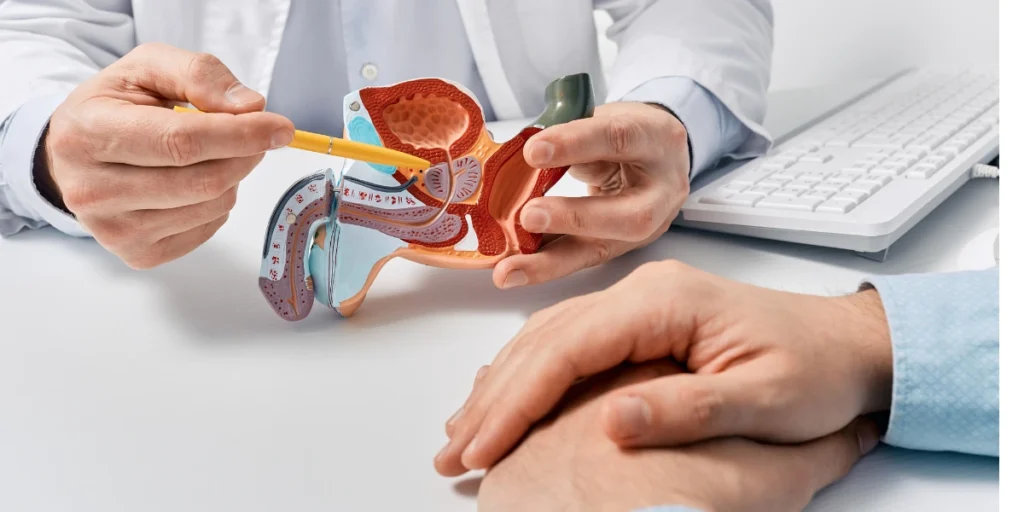
Erectile Dysfunction After Prostate Surgery: Causes, Recovery Timeline & Effective Treatments
Introduction
Erectile dysfunction (ED) after prostate surgery—whether from radical prostatectomy (RP), robotic-assisted prostatectomy, or other prostate treatments—is a common postoperative complication caused by temporary or permanent trauma to the delicate neurovascular bundles responsible for controlling erections. These nerves run along both sides of the prostate gland. Even with the most advanced nerve-sparing surgical techniques, the manipulation, stretching, or partial injury to these nerves can disrupt normal erectile signaling.
When these nerves are affected, the brain-to-penis communication is weakened, meaning that normal sexual arousal signals cannot effectively trigger penile blood flow. As a result, men may experience difficulty getting or maintaining an erection, reduced rigidity, loss of spontaneous nighttime or morning erections, and decreased sensitivity or orgasm intensity.
1.Why Does Erectile Dysfunction Happen After Prostate Surgery?
Prostate surgery requires careful removal of cancerous or enlarged tissue, but the nerves responsible for erections are microscopic and extremely sensitive. Even when surgeons preserve them, postoperative inflammation, swelling, and temporary neuropraxia (nerve shock) interfere with their function.
Let’s break this down:
1.1 Nerve Damage or Nerve Trauma
- The neurovascular bundles rest on the outer surface of the prostate.
- During removal, even gentle manipulation can stretch or irritate these fibers.
- Nerves may not be cut but can be bruised, reducing transmission of erection signals.
- Nerve damage interrupts nitric oxide release, preventing sufficient blood flow into the penis.
This is the primary cause of ED after prostate surgery.
1.2 Reduced Penile Blood Flow
Postoperative changes affect blood circulation to the penis:
- Decreased arterial inflow
- Temporary vascular congestion
- Reduced endothelial function
Without adequate blood supply, erection quality declines even if nerves begin to heal.
1.3 Psychological Stress and Anxiety
Many men experience:
- fear of sexual failure
- cancer-related anxiety
- emotional trauma after major surgery
- depression or identity concerns
This psychological burden further suppresses libido and erection strength, amplifying nerve-related dysfunction.
1.4 Loss of Spontaneous Erections
Nighttime erections help maintain penile tissue health. When nerves are damaged:
- oxygen supply decreases
- penile smooth muscle begins to weaken
- fibrosis may occur without rehabilitation
This leads to further decline in erection firmness and length.
2.How Long Does ED Recovery Take After Prostate Surgery?
Recovery varies depending on:
- surgical technique
- patient age
- pre-surgery erectile function
- extent of nerve preservation
- overall health
Here is the medically accurate recovery timeframe:
3–6 Months Post-Surgery
If nerve-sparing procedure was successful, men may begin noticing:
- slight return of spontaneous erections
- partial erections with stimulation
- sensation improvements
However, these erections may not yet be rigid enough for penetration.
6–18 Months Post-Surgery
This is the main recovery window. Studies show that penile nerve healing generally occurs within:
- 6–12 months for mild nerve trauma
- 12–18 months for moderate trauma
Erection quality improves gradually with rehabilitation.
18–24 Months Post-Surgery
For more severe nerve distress:
- recovery may continue for up to 24 months
- full erectile function may remain reduced but still capable of improvement
Some men need ongoing therapy or devices to maintain erection capability.
3.Major Causes of ED After Prostate Surgery
3.1 Direct Nerve Damage (Primary Cause)
The neurovascular bundles are highly sensitive. Stretching them even slightly can cause neuropraxia — a form of nerve shock that temporarily stops nerve signals.
3.2 Blood Flow Disruption
After surgery:
- inflamed tissues compress blood vessels
- weaker penile oxygenation develops
- smooth muscle deterioration occurs without rehabilitation
3.3 Psychological Factors
Common mental triggers:
- fear of inability to satisfy partner
- anxiety regarding masculinity
- worry about cancer recurrence
- depression after diagnosis
Mental health strongly influences erection quality.
3.4 Hormonal Changes (Secondary Cause)
Some men experience:
- reduced testosterone
- fatigue
- mood shifts
Though less common, hormonal imbalance worsens erection quality.
4.Symptoms of ED After Prostate Surgery
Symptoms vary based on nerve trauma severity:
4.1 Weak Erections
Even with arousal, the erection lacks firmness needed for penetration.
4.2 Loss of Spontaneous Morning or Nighttime Erections
Indicates temporary loss of nerve communication.
4.3 Reduced Orgasm Intensity
Orgasm still occurs because the prostate is not essential for orgasm.
But due to nerve injury, sensitivity is reduced.
4.4 Difficulty Maintaining Erections
Even if initially strong, erection may soften quickly.
4.5 Lower Libido
Emotional stress and fear of failure reduce desire.
5.Diagnosis of ED After Prostate Surgery
A structured assessment includes:
5.1 Nerve Function Evaluation
Doctors assess nerve healing progress using:
- penile Doppler ultrasound
- nerve conduction monitoring (in advanced centers)
- symptom tracking
5.2 Blood Flow Examination
To measure:
- arterial inflow
- venous leakage
- endothelial health
5.3 Hormonal Panel
Includes:
- total & free testosterone
- PSA monitoring (post-surgery)
- prolactin
- thyroid function
5.4 Postoperative Review
Surgeon evaluates:
- extent of nerve-sparing
- tissue healing progress
- presence of inflammation
5.5 Psychological Screening
Stress, anxiety, and emotional trauma often worsen ED symptoms. Screening helps identify underlying mental factors.
6.Treatment Options
6.1 Meddical Treatments
PDE5 Inhibitors (Sildenafil, Tadalafil)
Boost blood flow and support rehabilitation.
Penile Rehabilitation Pumps (Vacuum Devices)
Prevent penile tissue atrophy and promote oxygenation.
Penile Injections (Trimix)
Useful for men with slow nerve recovery.
Penile Implant Surgery
Considered when conservative methods fail after 18–24 months.
6.2 Natural & Lifestyle-Based Treatment Options
Pelvic Floor Muscle Training (Kegel Exercises)
Strengthens muscles that support erections.
Moderate Aerobic Exercise
Improves circulation and recovery speed.
Nutrition Optimization
Antioxidants, omega-3, and zinc support nerve healing.
6.3 Recovery Tips From a Doctor
- Start penile rehabilitation within 4–6 weeks after surgery.
- Avoid smoking and alcohol.
- Maintain cardiovascular fitness.
- Manage stress with counseling or relaxation techniques.
- Communicate openly with your partner.
- Track progress monthly to avoid anxiety.
6.4 Prevention
While ED may not be fully preventable after prostate surgery, certain measures reduce severity:
- Selecting a surgeon experienced in nerve-sparing techniques
- Managing diabetes and blood pressure before surgery
- Starting pelvic floor training early
- Early penile rehabilitation to maintain blood flow
To support your recovery journey, explore erectile function assessment tools on https://erectileandfertilityguide.com to track improvement patterns and understand ED severity.
Conclusion
Erectile dysfunction after prostate surgery recovery is a common and expected outcome, especially during the first few months. With nerve-sparing techniques, proper rehabilitation, medical treatment, and lifestyle support, most men gradually restore functional erections. The recovery journey takes patience—but the prognosis is generally favorable.
FAQs
Q1: Is Erectile Dysfunction After Prostate Surgery permanent?
Not always. Many men recover erections over time, especially after nerve-sparing procedures. With proper rehabilitation, Erectile Dysfunction After Prostate Surgery can often be reversed.
Q2: Does age affect recovery from Erectile Dysfunction After Prostate Surgery?
Yes. Younger men generally experience faster nerve healing and stronger recovery. However, men of all ages can improve outcomes with early treatment and lifestyle changes.
Q3: How long do nerves take to regenerate after prostate surgery?
Nerves may regenerate over 6–24 months, depending on damage severity. Consistent therapy helps restore normal erectile function and reduce the effects of Erectile Dysfunction After Prostate Surgery.
Q4: Can penile rehabilitation improve recovery from Erectile Dysfunction After Prostate Surgery?
Yes. Regular use of vacuum devices, PDE5 inhibitors, and pelvic floor exercises greatly enhances recovery and helps maintain tissue health during nerve healing.
Q5: Does stress worsen Erectile Dysfunction After Prostate Surgery?
Yes. Psychological stress slows nerve responsiveness and weakens confidence. Managing stress through counseling, meditation, and emotional support can speed up recovery from Erectile Dysfunction After Prostate Surgery.
Q6: How can I improve recovery from Erectile Dysfunction After Prostate Surgery naturally?
Focus on a healthy lifestyle—exercise, nutrition, sleep, and emotional well-being. Early penile rehabilitation combined with medical guidance gives the best chance for full recovery from Erectile Dysfunction After Prostate Surgery.
References
- American Urological Association (AUA). Erectile Dysfunction: Clinical Practice Guideline.
https://www.auanet.org/guidelines-and-quality/guidelines/erectile-dysfunction-(ed)-guideline - European Association of Urology (EAU). Prostate Cancer – Post-Surgery Functional Outcomes and ED Recovery.
https://uroweb.org/guidelines/prostate-cancer - Johns Hopkins Medicine – Brady Urological Institute. Erectile Dysfunction After Prostatectomy – Nerve Healing & Recovery.
https://www.hopkinsmedicine.org/brady-urology-institute - Mayo Clinic. Radical Prostatectomy – Risks, Erectile Dysfunction & Recovery Expectations.
https://www.mayoclinic.org/tests-procedures/radical-prostatectomy/about/pac-20385186 - Cleveland Clinic. Erectile Dysfunction After Prostate Surgery – Causes, Treatments & Recovery.
https://my.clevelandclinic.org/health/diseases/10036-erectile-dysfunction - National Cancer Institute (NCI). Prostate Cancer Treatment Side Effects – Sexual Dysfunction & Nerve Damage.
https://www.cancer.gov/types/prostate/patient/prostate-treatment-pdq - National Institute of Diabetes and Digestive and Kidney Diseases (NIDDK). Erectile Dysfunction: Causes and Treatment Overview.
https://www.niddk.nih.gov/health-information/urologic-diseases/erectile-dysfunction - Harvard Medical School – Harvard Health Publishing. Sexual Function After Prostate Cancer Treatment – What to Expect.
https://www.health.harvard.edu/mens-health - International Society for Sexual Medicine (ISSM). Sexual Function, Nerve Injury & Penile Rehabilitation After Prostate Surgery – Expert Consensus.
https://www.issm.info - Journal of Sexual Medicine. Recovery of Erectile Function After Radical Prostatectomy – Clinical Studies & Nerve Regeneration Data.
https://www.jsm.jsexmed.org/