
Diclofenac Sodium vs Potassium – Key Differences, Uses, and Which One to Choose
Introduction
Diclofenac belongs to a class of drugs known as nonsteroidal anti-inflammatory drugs (NSAIDs). It is commonly prescribed to manage mild to moderate pain and reduce inflammation associated with various musculoskeletal and joint disorders. Diclofenac helps relieve symptoms such as swelling, stiffness, inflammation, and joint pain seen in conditions like osteoarthritis and rheumatoid arthritis.
However, many patients and even young doctors often wonder:
What’s the difference between Diclofenac Sodium and Diclofenac Potassium?
Although both forms contain the same active drug — Diclofenac — their absorption, onset, and duration of action vary. This difference determines which one is better for chronic pain and which one is preferred for acute pain relief.
Available Dosage Forms
Diclofenac comes in various formulations and strengths to suit different clinical needs:
- Capsule
- Liquid-filled capsule
- Enteric-coated tablet (to protect the stomach)
- Extended-release tablet (for longer duration of action)
- Immediate-release tablet
- Powder for oral solution
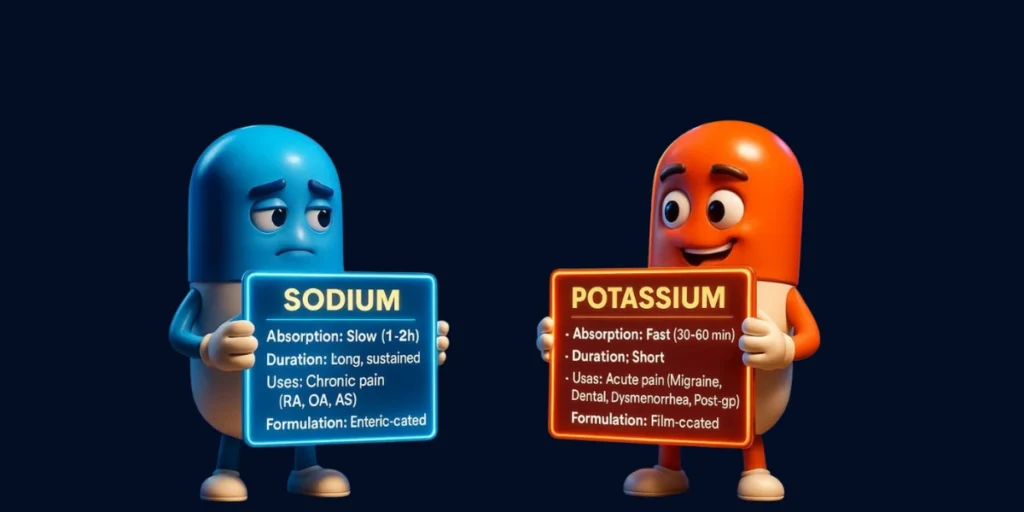
1.Diclofenac Sodium vs Potassium Difference
| Feature | Diclofenac Sodium | Diclofenac Potassium |
| Absorption & Onset | Slow absorption → effect starts in 1–2 hours | Fast absorption → effect starts within 30–60 minutes |
| Duration of Action | Long-lasting (sustained release) | Shorter duration but quicker onset |
| Formulation Type | Enteric-coated or slow-release capsules | Film-coated (dissolves quickly) |
| GI Protection | More GI-protective | Less GI-protective |
| Clinical Preference | Chronic pain (arthritis, spondylitis) | Acute pain (migraine, dental pain, muscle sprain) |
| Common Dose | 50 mg every 8–12 hours | 50–100 mg every 6–8 hours (depending on formulation) |
2. Diclofenac Sodium – Slow and Steady Relief
Absorption & Onset:
Diclofenac Sodium absorbs slowly, and its effect usually begins after 1–2 hours.
Duration:
It stays active longer, providing sustained pain relief — making it ideal for chronic inflammatory conditions.
Clinical Uses: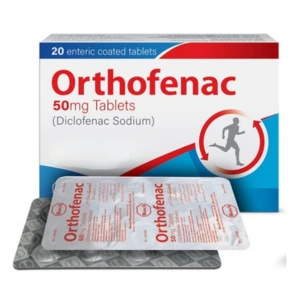
- Rheumatoid arthritis
- Osteoarthritis (OA)
- Ankylosing spondylitis
- Long-term musculoskeletal pain
Formulation:
Enteric-coated or sustained-release capsules designed to protect the stomach and reduce gastric irritation.
✅ Remember: Sodium = Slow relief but longer duration.
3. Diclofenac Potassium – Fast-Acting Painkiller
Absorption & Onset:
The Potassium salt dissolves quickly in gastric fluid, leading to a faster onset — usually within 30–60 minutes.
Duration:
Shorter action span, but the pain relief starts sooner, which is why it’s ideal for acute painful episodes.
Clinical Uses: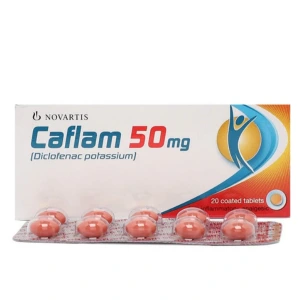
- Migraine attack
- Dental pain or post-extraction pain
- Menstrual cramps (Dysmenorrhea)
- Muscle sprain or injury
- Post-operative pain
Formulation:
Film-coated tablets that dissolve rapidly in the stomach.
⚡ Mnemonic: Potassium = Fast relief, shorter duration.
4.🩺 Mechanism of Action (Same for Both)
Both salts inhibit the enzyme cyclo-oxygenase (COX-1 and COX-2), reducing prostaglandin synthesis.
This leads to decreased inflammation, pain, and fever — the hallmark NSAID mechanism.
⚠️ Side Effects & Precautions
Despite their effectiveness, Diclofenac Sodium and Potassium share similar potential adverse effects:
- Gastric irritation, ulceration, or bleeding
- Nausea or dyspepsia
- Fluid retention and hypertension
- Rare liver enzyme elevation
- Kidney impairment with long-term use
Always take Diclofenac after meals and avoid concurrent use with other NSAIDs unless advised by your doctor.
5. Choosing Between the Two
| Clinical Situation | Recommended Form |
| Long-term joint inflammation (arthritis) | Diclofenac Sodium |
| Acute migraine or toothache | Diclofenac Potassium |
| Patient with sensitive stomach | Diclofenac Sodium (enteric-coated) |
| Need for rapid relief | Diclofenac Potassium |
🧠 Doctor’s Insight
In clinical practice, Doctor choose Diclofenac Potassium for acute pain (especially migraine or dysmenorrhea), and Diclofenac Sodium for chronic arthritic pain.
Always match the formulation to the type and duration of pain — that’s the art of rational pharmacotherapy.
If you’re interested in learning how inflammation and nerve pain can affect sexual health, check out our guide on How Sciatica Causes Erectile Dysfunction.
Summary
- Diclofenac Sodium → Slow onset, long duration, chronic pain.
- Diclofenac Potassium → Fast onset, short duration, acute pain.
Both provide effective pain control but differ in how quickly they act and how long the effect lasts.
FAQs
Q1. What is the main difference between Diclofenac Sodium vs Potassium?
The key difference between Diclofenac Sodium vs Potassium lies in their absorption and onset of action. Diclofenac Potassium is fast-absorbing, making it ideal for acute pain like migraine or dental pain, while Diclofenac Sodium is slowly absorbed and better for chronic conditions such as arthritis or spondylitis.
Q2. Which works faster — Diclofenac Sodium or Diclofenac Potassium?
When comparing Diclofenac Sodium vs Potassium, the Potassium form starts working within 30–60 minutes, whereas Sodium may take 1–2 hours. Hence, Diclofenac Potassium is preferred for quick pain relief, especially in migraine or muscle pain.
Q3. Which is better for arthritis — Diclofenac Sodium or Potassium?
The Sodium variant is more suitable for arthritis, ankylosing spondylitis, or osteoarthritis, due to its sustained action. It maintains longer relief and is often formulated as enteric-coated tablets to protect the stomach.
Q4. Which is more effective for migraine — Diclofenac Sodium or Potassium?
For migraine attacks, Diclofenac Potassium is the better choice. Potassium provides faster onset and shorter duration, perfectly suited for acute pain conditions like migraines or menstrual cramps.
Q5. How does the onset and duration differ in Diclofenac Sodium vs Potassium?
Sodium has slow onset but long duration, while Potassium has fast onset but short duration. This pharmacokinetic variation determines whether a patient needs sustained relief or rapid action.
Q6. Is there a difference in gastric protection between Diclofenac Sodium vs Potassium?
Yes. Diclofenac Sodium and Potassium differ in formulation — Sodium is usually enteric-coated, offering better NSAID gastric protection, while Potassium is film-coated and may cause irritation if taken on an empty stomach.
Q7. Which formulation of Diclofenac (Sodium vs Potassium) has fewer side effects?
Both are generally safe when used properly, but Diclofenac Sodium tends to be gentler on the stomach due to its enteric coating. In the Diclofenac Sodium vs Potassium comparison, Potassium can act faster but might increase gastric irritation risk.
Q8. Can Diclofenac Sodium vs Potassium be used interchangeably?
No, they shouldn’t be interchanged without medical advice. Diclofenac Sodium vs Potassium differ in dose frequency, absorption, and indication. The choice depends on whether you need chronic pain control (Sodium) or rapid symptom relief (Potassium).
Q9. Which one provides faster pain relief — Diclofenac Sodium vs Potassium?
For fast-acting painkillers, Diclofenac Potassium wins. In the Diclofenac Sodium vs Potassium difference, Potassium begins working faster, offering noticeable relief in under an hour, whereas Sodium builds up slower for steady pain control.
References
- Drugs.com – Diclofenac: Uses, Dosage & Side Effects
https://www.drugs.com/diclofenac.html - MedlinePlus – Diclofenac (Oral) Drug Information
https://medlineplus.gov/druginfo/meds/a689002.html - FDA Drug Label – Diclofenac Sodium Oral Tablets
https://www.accessdata.fda.gov/drugsatfda_docs/label - StatPearls – Diclofenac Pharmacology & Clinical Use
https://www.ncbi.nlm.nih.gov/books/NBK557879/ - Cleveland Clinic – NSAIDs: Mechanism & Risks
https://my.clevelandclinic.org/health/treatments/11086-nsaids - UpToDate – NSAIDs: Overview of Adverse Effects
https://www.uptodate.com/contents/nonselective-nsaids-adverse-reactions - PubMed – Diclofenac Potassium vs Sodium Absorption Study
https://pubmed.ncbi.nlm.nih.gov/ - British Journal of Clinical Pharmacology – Diclofenac Onset & Pharmacokinetics
https://bpspubs.onlinelibrary.wiley.com/journal/13652125 - NHS UK – Diclofenac Pain Treatment Guidance
https://www.nhs.uk/medicines/diclofenac/ - American College of Rheumatology – NSAIDs for Arthritis Management
https://www.rheumatology.org/I-Am-A/Patient-Caregiver/Treatments/NSAIDs