
Can a UTI Affect Your Period? – Complete Doctor’s Guide
Introduction
Urinary tract infections (UTIs) are among the most common bacterial infections in women. According to the CDC, more than 50% of women will experience at least one UTI in their lifetime, and many suffer from recurrent infections.
A frequently asked question is: “Can a UTI affect your period?”
This guide explores the connection between UTIs and menstrual health, answering whether a UTI can delay periods, how it may affect menstrual symptoms, and whether antibiotics like amoxicillin are safe for treatment.
1. Understanding the Basics
1.1 What Is a UTI?
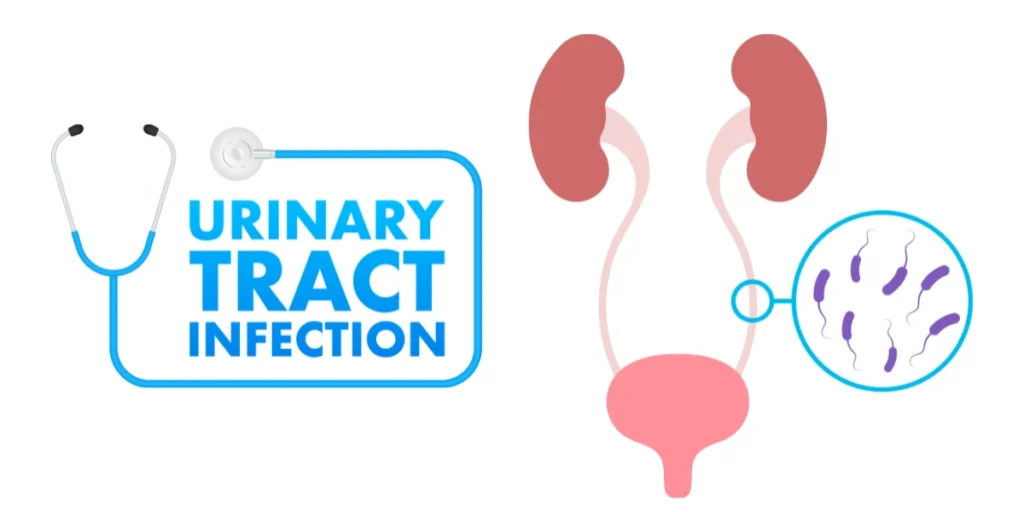
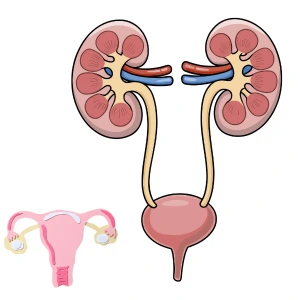
A urinary tract infection (UTI) occurs when bacteria—most commonly E. coli—enter the urinary system. It can affect:
- Urethra → Urethritis

- Bladder → Cystitis
- Kidneys → Pyelonephritis (more severe)
1.2 Common Causes of UTIs in Females
- Sexual Activity
During sexual intercourse, bacteria can be pushed into the urinary tract, leading to infection. This is often referred to as “honeymoon cystitis” because of its frequency in newly sexually active women. Preventive measures include:
- Urinating before and after sex to flush bacteria.
- Using water-based lubricants to reduce friction.
- Practicing safe sex with clean, protective methods.
- Poor Hygiene Habits
Wiping from back to front after using the toilet may transfer bacteria from the anal region to the urethra. To lower risk:
- Always wipe front to back.
- Wash the vaginal area daily with soap and water.
- Change underwear frequently, especially during menstruation.
- Birth Control Methods
Certain contraceptives, such as diaphragms and spermicides, may disturb the natural vaginal balance and make infections more likely. Switching to alternatives—like condoms, hormonal birth control, or copper IUDs—can reduce your risk.
- Holding in Urine
Delaying urination allows bacteria to multiply inside the bladder. To prevent this:
- Urinate as soon as you feel the urge.
- Empty your bladder fully.
- Stay hydrated so your body can flush out bacteria regularly.
1.3 Why UTIs Are More Common in Women
- Shorter urethra → bacteria reach bladder faster.
- Sexual activity → can introduce bacteria.
- Hormonal changes → low estrogen after menopause weakens bladder lining.
1.4 How the Menstrual Cycle Works
A woman’s menstrual cycle is governed by hormones (estrogen, progesterone, LH, FSH). Stress, illness, and inflammation can sometimes disrupt the hormonal balance and affect periods.
This overlap often leads women to wonder whether infections like UTIs play a role in menstrual irregularities.
2. Can a UTI Delay Menstrual Period?
The short answer: Indirectly, yes.
UTIs don’t typically change your hormones, but they can stress your body in ways that influence your cycle.
2.1 Mechanisms That May Cause Delay
- Stress response → UTIs cause pain, fever, and inflammation, triggering cortisol release. Cortisol can suppress reproductive hormones, delaying ovulation and menstruation.
- Antibiotics → Some UTI antibiotics may alter gut flora, slightly impacting estrogen metabolism.
- Systemic infection → Severe UTIs (like kidney infections) can disrupt normal body functions, potentially shifting menstrual timing.
2.2 Research Insights
- A 2018 review in Journal of Women’s Health reported that systemic infections and stressors can alter menstrual cycle length.
- However, UTIs alone are not listed as a direct hormonal disruptor.
2.3 Other Possible Reasons for Late Periods (Not UTI Alone)
- Pregnancy
- PCOS
- Thyroid issues
- Perimenopause
- Stress & lifestyle factors
👉 Tip: If your period is more than 7–10 days late, don’t assume it’s the UTI—take a pregnancy test and consult your doctor.
3. Does a UTI Affect Period?
This is one of the most Googled questions about UTIs.
3.1 Symptoms That Can Overlap
Some UTI symptoms can be mistaken for period-related issues:
Having a UTI during your period can be confusing because some symptoms overlap with menstrual changes. Knowing the differences can help you recognize when something is not normal.
- Increased Pelvic Pain
Menstrual cramps are common, but UTI-related pain often feels sharper and is centered around the bladder or pubic bone. Unlike period cramps, UTI pain usually persists even outside menstruation.
- Frequent and Urgent Urination
Although water retention during periods may increase bathroom visits, a UTI typically causes a sudden and painful urgency to urinate, which is more intense than normal menstrual frequency.
- Burning Sensation While Urinating
If you feel burning or stinging when passing urine during your period, it’s more likely due to infection rather than menstrual cramps.
- Unusual Bleeding or Discharge
Some women notice pinkish urine or light spotting with a UTI. This is not part of your menstrual flow and should be evaluated by a healthcare provider.
- Back pain
A kidney infection can feel like period-related backache.
3.2 Can UTIs Change Your Period Flow?
- No direct effect: UTIs don’t change menstrual blood flow.
- Indirect effect: Severe illness, stress, or medications may make your period lighter or heavier.
3.3 Psychological Link
UTIs often cause anxiety and stress, which can amplify PMS symptoms, making you feel your period is more severe.
4. Can You Take Amoxicillin for UTI?
4.1 First-Line Treatments for UTIs
According to IDSA Guidelines (Infectious Diseases Society of America), the recommended antibiotics for uncomplicated UTIs are:
- Nitrofurantoin
- Trimethoprim-sulfamethoxazole (TMP-SMX)
- Fosfomycin
4.2 Role of Amoxicillin
- Amoxicillin used to be common, but resistance of E. coli has made it less effective.
- Today, amoxicillin is not usually first-line unless culture results show sensitivity.
4.3 Risks of Self-Medication
- Taking amoxicillin without prescription may lead to resistant bacteria.
- Incorrect dosing can allow infection to spread to the kidneys.
👉 Advice: Only use amoxicillin for UTIs if prescribed by your doctor after a urine culture test confirms sensitivity.
5. UTI & Women’s Health
5.1 Managing UTI during Menstruation
Balancing urinary and menstrual health is key for women’s well-being. Here are some practical strategies:
✅ Stay Hydrated
Drink 2–3 liters of water daily to help flush bacteria out of the urinary tract.
✅ Practice Proper Hygiene
- Wipe front to back.
- Change sanitary pads/tampons frequently during periods.
- Avoid harsh soaps or scented products.
✅ Avoid Irritants
Feminine sprays, bubble baths, and douches can irritate the urinary tract and disrupt natural pH.
✅ Pain Relief
Over-the-counter medicines like ibuprofen. Ponistan fort can help ease both UTI pain and menstrual cramps. Always check with your doctor before combining medications.
✅ Seek Medical Care
If you notice symptoms like burning urination, pelvic pain, or unusual bleeding during your cycle, consult a doctor immediately. Early treatment prevents kidney infections and reduces recurrence.
5.2 Preventing Recurrent UTIs
- Drink 2–3 L water daily.
- Urinate before & after sex.
- Wipe front to back.
- Avoid excessive douching or harsh soaps.
- Cranberry extract & probiotics may reduce recurrence.
Conclusion
So, can a UTI affect your period?
Not directly—but stress, systemic infection, or antibiotics may delay or alter your cycle. A UTI can mimic period symptoms like cramps and back pain but does not change menstrual bleeding itself.
If you suspect a UTI, don’t self-medicate with amoxicillin unless prescribed. Early diagnosis and treatment are key to avoiding complications.
👉 UTIs affect urinary health, not menstrual cycles directly. But since women’s reproductive and urinary systems are closely linked, the effects may sometimes overlap.
FAQs
Q1: Can a UTI make your period late?
👉 Yes. Indirectly, it can. Stress, fever, or infection-related inflammation may delay ovulation and shift your cycle.
Q2: Does a UTI cause heavier periods?
👉 Many women ask, Can a UTI Affect Your Period flow? The answer is no, not directly. But stress or illness can make cramps and pain feel worse during menstruation.
Q3: Can you confuse UTI pain with period pain?
👉 Yes. Can a UTI Affect Your Period symptoms? Absolutely—it can mimic cramps and lower back pain, which sometimes makes it hard to distinguish between the two.
Q4.: Can a UTI trigger spotting?
👉 Many wonder, Can a UTI Affect Your Period spotting? Occasionally, infection-related irritation may cause light bleeding, but this is not true menstruation.
Q5: Can UTI antibiotics affect birth control or hormones?
👉 while taking antibiotics? Most UTI antibiotics do not affect hormones or contraception, except rifampin.
Q6: How long does it take for a UTI to heal?
👉 While recovery is fast, women still ask, Can a UTI Affect Your Period timing during healing? With proper antibiotics, symptoms resolve in 3–7 days, but stress can shift your cycle.
Q7: Can chronic UTIs affect fertility?
👉 You might ask, Can a UTI Affect Your Period and long-term fertility? Indirectly, yes—chronic UTIs may spread to reproductive organs and cause complications.
Q8: How to know if a late period is from UTI or pregnancy?
👉 Finally, the big question: Can a UTI Affect Your Period delay versus pregnancy? UTIs don’t stop ovulation—always take a pregnancy test to confirm.
References
- Centers for Disease Control and Prevention (CDC) – Urinary Tract Infection Statistics & Overview
https://www.cdc.gov/ - Infectious Diseases Society of America (IDSA) – Clinical Practice Guidelines for Uncomplicated UTIs
https://www.idsociety.org/ - Mayo Clinic – Urinary Tract Infection: Causes, Symptoms, Diagnosis
https://www.mayoclinic.org/ - Cleveland Clinic – UTIs in Women & Reproductive Health Symptoms
https://my.clevelandclinic.org/ - National Institute of Diabetes and Digestive and Kidney Diseases (NIDDK) – Urinary Tract Health
https://www.niddk.nih.gov/ - Johns Hopkins Medicine – UTIs vs Gynecological Causes of Pelvic Pain
https://www.hopkinsmedicine.org/ - ACOG (American College of Obstetricians and Gynecologists) – Menstrual Cycle & Hormonal Regulation
https://www.acog.org/ - Harvard Health Publishing – Stress, Cortisol & Menstrual Cycle Disruption
https://www.health.harvard.edu/ - Journal of Women’s Health – Systemic Illness Impact on Menstrual Cycle (2018 Review)
https://www.liebertpub.com/jwh - PubMed – Antibiotic Resistance Trends in E. coli & Amoxicillin Effectiveness
https://pubmed.ncbi.nlm.nih.gov/ - World Health Organization (WHO) – Antibiotic Resistance & Misuse Risks
https://www.who.int/ - American Urological Association (AUA) – Guidelines for Diagnosis & Management of UTIs in Women
https://www.auanet.org/ - British Medical Journal (BMJ) – UTIs, Fever & Systemic Inflammatory Effects on Ovulation
https://www.bmj.com/ - National Library of Medicine – Menopause, Estrogen Decline & Urogenital Changes
https://www.nlm.nih.gov/ - American Sexual Health Association – UTIs, Sexual Activity & Prevention Strategies
https://www.ashasexualhealth.org/