
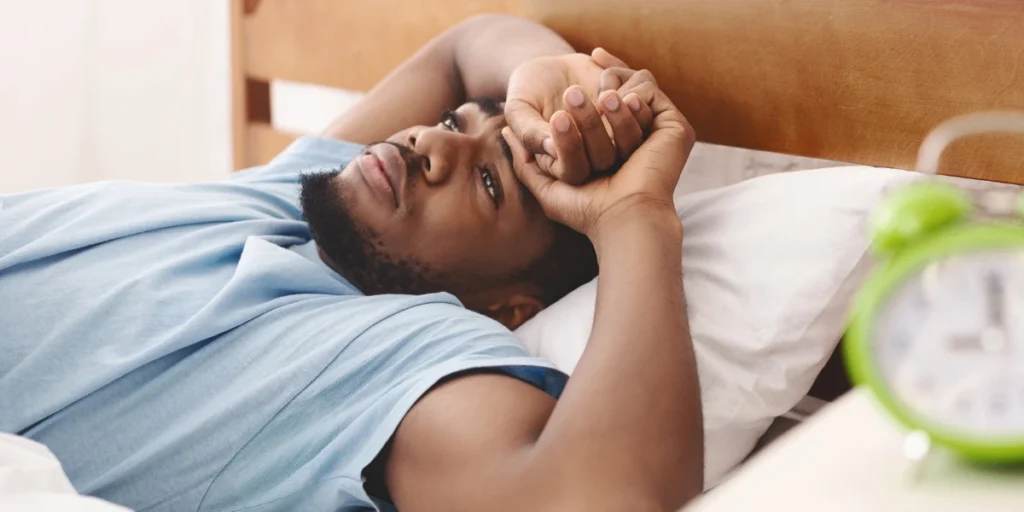
Can Stress Cause Temporary Erectile Dysfunction? Understanding, Causes & Recovery Tips
Introduction
Stress-related erectile dysfunction is a temporary and reversible form of erectile dysfunction caused by psychological pressure rather than any structural damage to the penis. When a man experiences chronic stress, emotional tension, anxiety, or mental overload, the brain’s ability to send accurate sexual signals to the penis becomes impaired. Although physical blood flow may remain perfectly normal, the erection fails or becomes weak because the mind-body connection is disrupted.
1.Why Stress Causes Temporary Erectile Dysfunction
To achieve an erection, the brain must activate complex neurological and hormonal pathways. Stress interferes with these pathways through several mechanisms:
1.1 Increased Cortisol Levels
Chronic stress forces the adrenal glands to release cortisol, the primary stress hormone. High cortisol directly suppresses testosterone, reduces libido, and slows down nitric oxide signaling — all of which are vital for erection strength.
1.2 Activation of the Fight-or-Flight Response
Stress activates the sympathetic nervous system. Instead of directing blood flow to the penis, the body shifts blood toward essential organs like the heart and brain. This survival-mode response makes it difficult to maintain an erection even when arousal is present.
1.3 Psychological Distraction
When the mind is overloaded with worry — financial stress, academic pressure, relationship issues, job responsibilities — it becomes harder for the brain to focus on sexual stimulation. The emotional tension blocks arousal signals at the central nervous system level.
1.4 Hormonal Imbalance
Chronic stress disrupts:
- testosterone regulation
- cortisol rhythm
- serotonin and dopamine levels
This imbalance weakens arousal, sensitivity, and erection duration.
1.5 Performance Anxiety Loop
Men often experience a cycle like this:
- Stress causes a failed erection
- Fear of failure increases stress
- Next sexual attempt becomes more stressful
- Erection becomes weaker
- Stress increases even more
This loop leads to repeated ED episodes even in otherwise healthy individuals.
2.How Stress-Related ED Differs From Physical ED
| Feature | Stress-Related ED (Psychogenic) | Physical ED (Organic) |
| Onset | Sudden | Gradual |
| Morning erections | Normal | Reduced or absent |
| Age group | Common in young men | Common in older men |
| Blood flow | Normal | Reduced or impaired |
| Trigger | Anxiety, stress, pressure | Vascular/hormonal issues |
| Treatment | Stress reduction & psychology | Medical therapy |
This comparison helps doctors differentiate psychogenic ED quickly during clinical evaluation.
3.Signs & Symptoms of Stress-Induced Erectile Dysfunction
Stress-related ED often appears suddenly and inconsistently. Unlike physical ED, symptoms fluctuate depending on stress level and emotional state.
Common Symptoms Include:
3.1. Sudden loss of erection
Unlike physical ED, which slowly worsens over months, stress ED appears suddenly:
- During a stressful week
- Before an important presentation
- After relationship conflict
The sudden onset indicates psychological involvement rather than organic disease.
3.2 Ability to achieve normal morning erections
Morning erections show that blood vessels and nerves are working normally. When a man can get erections during sleep or masturbation but not during sex, the cause is psychological.
3.3 Inability to maintain erection during intercourse
Sexual pressure increases stress response, leading to loss of firmness or complete softness during penetration attempts.
3.4 Performance anxiety symptoms
Men often report:
- Fast heartbeat
- Cold sweaty hands
- Shallow breathing
- Racing thoughts
These physical signs mirror anxiety rather than organic dysfunction.
3.5 Reduced sexual confidence
Stress deteriorates self-esteem, leading to:
- Avoidance of intimacy
- Reduced sexual initiation
- Fear of disappointing partner
3.6 Mood swings
Chronic stress affects the limbic system, causing:
- Irritability
- Frustration
- Emotional withdrawal
- Lower libido
4. Causes of Stress-Related Erectile Dysfunction
Stress-related erectile dysfunction (ED) is a common form of psychogenic ED that originates in the brain rather than the body. When stress triggers hormones like cortisol and adrenaline, the body enters “threat mode,” disrupting the neurological signals needed for erections. Although physical health remains normal, mental tension disturbs the balance between relaxation and arousal.
This explains why men may have normal morning or solo erections but struggle during sex — a key sign of psychogenic ED. Scientifically, stress overstimulates the sympathetic nervous system (“fight-or-flight”), which suppresses the parasympathetic system (“rest-and-pleasure”) essential for erections, leading to reduced blood flow, nerve activity, and focus during intimacy
Biological Mechanism Behind Stress-Induced ED
Stress affects erectile function through multiple biological processes:
4.1 Cortisol elevation
High cortisol is the body’s natural response to emotional overload. Chronically high cortisol levels cause:
- Reduced nitric oxide release
- Lower testosterone production
- Anxiety-driven sexual avoidance
- Weak penile blood flow
Nitric oxide is essential for relaxing penile blood vessels. When nitric oxide drops, erection quality weakens and duration shortens.
4.2 Sympathetic nervous system activation
Stress activates adrenaline, triggering:
- Rapid heart rate
- Muscle tension
- Distraction
- Difficulty focusing on arousal
During sex, a man must feel relaxed and confident. Stress creates tension, making the penis less responsive to stimulation.
4.3 Cognitive interference
Stress creates mental clutter, such as:
- Fear of failing
- Overthinking
- Worry about performance
- Work pressure or financial stress intruding during intimacy
These thoughts interrupt sexual stimuli and break the brain’s natural erotic flow.
4.4 Sleep deprivation
Stress commonly disrupts sleep, leading to:
- Hormonal imbalance
- Reduced testosterone
- Mood instability
- Lower libido
- Reduced energy levels
Men with chronic stress often experience extreme fatigue, leading to weakened sexual desire and poor erection quality.
4.5 Anxiety spiral
Many men experience a psychological feedback loop:
- They lose an erection once due to stress
- They start worrying about losing it again
- The fear makes them lose it again
This pattern becomes a cycle known as performance anxiety, a major contributor to stress ED.
5.Risk Factors That Increase Stress-Related ED
Stress alone can trigger temporary erectile dysfunction, but certain factors increase susceptibility:
5.1 High-pressure job environment
Men working in:
- Finance
- Military
- Corporate leadership
- Healthcare
- Contractual jobs
…experience high cortisol exposure, increasing the risk of psychogenic ED.
5.2 Relationship conflicts
Emotional tension with a partner reduces psychological safety, affecting intimacy.
5.3 Unhealthy lifestyle habits
- High caffeine
- Smoking
- Alcohol use
- Skipping meals
- Overworking
All worsen stress physiology and reduce erectile strength.
5.4 Chronic anxiety or generalized worry
Stress ED is common among men with:
- Generalized anxiety disorder
- Social anxiety
- Panic disorder
Even mild anxiety redirects mental energy away from pleasure and toward rumination.
5.5 Lack of physical activity
Men with sedentary routines experience:
- Slower blood circulation
- Higher cortisol
- Fat accumulation
- Lower testosterone
This increases both psychological and physiological barriers to erection.
5.6 Poor emotional coping skills
When stress builds without healthy outlets, the body remains in fight-or-flight mode longer, affecting sexual readiness.
Differentiating Stress ED from Physical ED
| Feature | Stress-Related ED | Physical ED |
| Morning erections | Normal | Reduced or absent |
| Onset | Sudden | Gradual |
| Age group | Common under 35 | More common over 40 |
| Response to masturbation | Normal | Often poor |
| Emotional triggers | Strongly related | Minimal |
| Medical tests | Usually normal | Often abnormal |
6.Diagnosis of Stress-Induced Erectile Dysfunction
Doctors diagnose stress-related ED through a combination of psychological and physical assessments. The goal is to ensure no medical condition is being overlooked.
6.1 Clinical History
Doctors ask questions about:
- stress levels
- emotional health
- recent life events
- fear of failure
- relationship tension
6.2 Stress profile evaluation
This includes:
- Work environment analysis
- Sleep pattern review
- Anxiety frequency
6.3 Physical examination
Men usually have normal:
- penile blood flow
- testicular size
- reflex responses
- cardiovascular health
Abnormal results suggest a physical cause rather than stress.
6.4 Hormonal evaluation
To rule out other causes:
- Free & total testosterone
- Cortisol
- Prolactin
- Thyroid hormones
- Lipid profile
In stress ED, testosterone is usually normal but cortisol may be elevated, reflecting emotional strain.
6.5 Psychological screening
A structured psychological evaluation may include:
- Generalized Anxiety Disorder 7-item scale (GAD-7)
- PHQ-9 depression screening
- Performance anxiety questionnaire
- Sleep quality assessment
6.6 Erection Quality Monitoring
Some doctors use nocturnal penile tumescence (NPT) tests.
Normal nighttime erections confirm:
✅ psychological ED
❌ not physical ED
7.Medical Treatment Options for Stress-Induced ED
Although stress ED does not require aggressive medical therapy, professional intervention speeds recovery and breaks psychological fear patterns.
7.1 Counseling / Psychotherapy
The most effective treatment is identifying and dissolving the root causes of stress.
Therapeutic approaches include:
- Cognitive Behavioral Therapy (CBT)
- Sex therapy
- Couples counseling (if relationship stress adds to ED)
- Mindfulness-based therapy for anxiety
The focus is on rebuilding confidence, neutralizing performance anxiety, and restoring natural sexual rhythm.
7.2 Short-Term Anti-Anxiety Medication
In cases of severe anxiety, doctors may prescribe:
- short-term anxiolytics
- SSRIs for chronic anxiety or depression
- beta-blockers for excessive stress response
These are used cautiously due to potential sexual side effects. Only a professional should determine suitability.
7.3 Hormonal Assessment & Correction
If testing reveals borderline testosterone or elevated prolactin, management may include:
- lifestyle modification
- medical evaluation of hormonal disturbances
But for most men, hormone levels are normal.
7.4 Natural Treatment Methods
Several non-pharmaceutical approaches significantly improve temporary stress ED.
A. Meditation and Relaxation Training
Meditation activates the parasympathetic “rest-and-digest” system, reducing stress hormones and improving arousal. Even 10–15 minutes daily can:
- enhance mental clarity
- decrease anxiety
- improve erection duration
B. Aerobic Exercise
Exercise boosts blood flow and reduces stress hormones naturally.
Benefits include:
- increased nitric oxide production
- higher testosterone
- improved mood
- reduced cortisol
Running, brisk walking, swimming, or cycling are the best choices.
C. Deep Breathing Techniques
Controlled breathing reduces sympathetic nervous system activity.
Effective techniques include:
- box breathing
- diaphragmatic breathing
- 4-7-8 breathing
These relax body and mind before sex.
D. Sleep Optimization
Men with stress ED often have disrupted sleep cycles.
Improving sleep includes:
- consistent bedtime routine
- reduced screen use
- controlled caffeine intake before evening
- sleep hygiene practices
Better sleep elevates testosterone and reduces cortisol.
E. Reducing Caffeine & Alcohol Intake
Excess caffeine overstimulates adrenaline production, worsening ED.
Alcohol, although relaxing initially, disrupts nerve signaling and erection strength.
F. Balanced Diet
Foods rich in:
- omega-3 fatty acids
- antioxidants
- zinc
- vitamin D
…help regulate hormones and support better vascular function.
8.Duration & Recovery Timeline
How long recovery takes depends on the severity of stress, sleep quality, anxiety levels, and mental stability.
8.1 Average Recovery Time: 2–6 Weeks
Most men recover within:
- 2–3 weeks if stress is mild
- 4–6 weeks if stress is chronic
- 8–12+ weeks if severe anxiety or depression is involved
Recovery is faster when stress management habits and lifestyle changes are applied consistently.
8.2 When Symptoms Last Longer
If ED persists beyond 8–12 weeks, deeper psychological factors may be present, such as:
- chronic anxiety disorder
- relationship-related stress
- depression
- low self-esteem
- past sexual trauma
In such cases, therapy or medical evaluation becomes essential.
9.Recovery Strategies for Overcoming Stress-Related ED
Temporary stress ED is fully reversible with proper management. Recovery requires a combination of emotional resilience, lifestyle improvements, and sexual confidence rebuilding.
9.1 Build Emotional Resilience
- Learn stress-management techniques
- Maintain healthy work-life boundaries
- Avoid multitasking during intimate moments
9.2 Reframe Sexual Expectations
Remove pressure to “perform perfectly.” Focus on connection rather than perfection.
9.3 Slow Intimacy Approach
Rebuilding intimacy gradually helps reduce pressure:
- start with physical closeness
- slow touching
- emotional bonding
- avoid rushing penetration
9.4 Communication with Partner
Open discussion reduces anxiety:
- share feelings
- avoid blame
- express emotional needs
- establish comfort and assurance
You can read more about evidence-based sexual health assessments and male performance optimization on our main clinical resource site at erectileandfertilityguide.com
10.Long-Term Prevention Strategies for Stress-Related ED
Preventing recurrence of stress-induced erectile dysfunction requires consistent stress management, healthy lifestyle choices, and emotional awareness. Even after full recovery, men who ignore stress signals may experience temporary ED episodes again.
10.1 Practice Daily Stress Management
- Meditation and mindfulness exercises reduce cortisol and anxiety.
- Deep-breathing techniques before sexual activity improve erection quality.
- Journaling or therapy sessions help process emotional tension.
10.2 Prioritize Sleep Hygiene
- Maintain a fixed sleep schedule.
- Limit caffeine intake late in the day.
- Avoid electronic screens 1 hour before bed.
- Ensure a dark, quiet, cool sleep environment.
Adequate sleep restores testosterone and supports mental focus, preventing stress-related sexual dysfunction.
10.3 Exercise Regularly
- Aerobic workouts and strength training improve circulation, nitric oxide production, and hormone balance.
- Exercise also acts as a natural stress reliever.
10.4 Improve Relationship Communication
- Share stressors with your partner.
- Build emotional and physical intimacy gradually.
- Avoid pressuring yourself to perform perfectly.
Healthy communication breaks the performance anxiety loop, one of the main triggers for stress ED.
10.5 Reduce Stimulants & Maintain Balanced Diet
- Moderate caffeine and avoid excessive alcohol.
- Include foods rich in omega-3s, zinc, antioxidants, and vitamins for optimal vascular and hormonal function.
10.6 Professional Support When Needed
- Counseling, cognitive-behavioral therapy (CBT), or short-term anti-anxiety medication can accelerate recovery.
- Seek help if ED persists beyond 6–8 weeks or if stress/anxiety levels remain high.
Conclusion
Stress-related erectile dysfunction is common, temporary, and reversible. Chronic stress, high cortisol, performance anxiety, and sleep disruption interfere with the brain-to-penis signaling, resulting in weak or lost erections during real sexual encounters.
With proper stress management, lifestyle optimization, emotional support, and, if needed, professional therapy, most men recover fully within 2–6 weeks. Even severe cases are reversible over 8–12 weeks with consistent care.
FAQs – Can Stress Cause Temporary Erectile Dysfunction?
Q1: Can stress cause ED at a young age?
Yes. Can stress cause temporary erectile dysfunction in young men? Absolutely. Stress-induced erectile dysfunction is common in men under 30 who face academic pressure, job stress, or relationship tension. Even without physical problems, mental strain can disrupt normal erection signals.
Q2: How long does stress-related ED last?
Can stress cause temporary erectile dysfunction that lasts for weeks? Yes. Most men recover within 2–6 weeks after reducing stress and improving sleep, diet, and mental balance. Severe anxiety or chronic stress may extend recovery up to 8–12 weeks.
Q3: Is stress ED reversible?
Completely. Can stress cause temporary erectile dysfunction that eventually heals? Yes — once stress, anxiety, and overthinking are managed, erectile function returns to normal. The condition is fully reversible and does not indicate permanent damage.
Q4: Does stress affect erection quality?
Yes. Can stress cause temporary erectile dysfunction by affecting erection strength? Definitely. High cortisol levels, poor sleep, and overactive stress hormones reduce penile blood flow and interrupt arousal, leading to weaker erections or loss of firmness.
Q5: Can meditation or exercise improve stress ED?
Absolutely. Many experts agree that can stress cause temporary erectile dysfunction can be reversed faster with meditation and exercise. Both activities lower cortisol, improve blood circulation, and enhance mood — all essential for better erectile health.
Q6: Should I take ED medications for stress-induced ED?
Usually not. While can stress cause temporary erectile dysfunction may tempt some to use medication, pills only provide short-term relief. The best results come from addressing the root causes — stress reduction, therapy, and lifestyle changes.
Q7: Can stress ED recur?
Yes, recurrence is possible if ongoing stress is ignored. Can stress cause temporary erectile dysfunction to return? It can — especially when anxiety, overwork, or relationship problems persist. Regular stress management and exercise prevent relapse.
Q8: How can couples support recovery from stress-related ED?
Communication is key. When dealing with can stress cause temporary erectile dysfunction, couples should:
- Talk openly about concerns
- Focus on emotional intimacy, not performance
- Avoid blame or pressure
Practice relaxation and intimacy exercises together.
References
- American Urological Association – Erectile Dysfunction: Causes & Treatment
https://www.auanet.org/guidelines-and-quality/erectile-dysfunction - Mayo Clinic – Erectile Dysfunction: Symptoms & Causes
https://www.mayoclinic.org/diseases-conditions/erectile-dysfunction/symptoms-causes - Cleveland Clinic – Stress and Erectile Dysfunction
https://my.clevelandclinic.org/health/diseases/10036-erectile-dysfunction - National Institutes of Health (NIH) – Psychological Factors in ED
https://www.nih.gov/news-events/nih-research-matters/psychological-factors-erectile-dysfunction - Healthline – Stress and Sexual Health
https://www.healthline.com/health/stress/sexual-health