
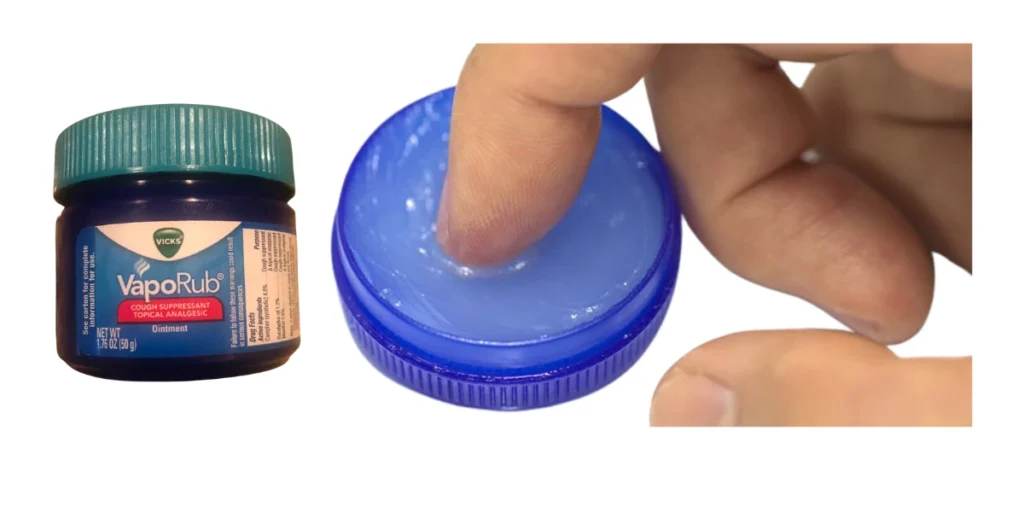
Vicks VapoRub for Erectile Dysfunction — A Doctor’s Guide to Risks, Evidence & Safe Alternatives
Introduction
Men struggling with erection problems sometimes look for fast home remedies online. One trend that has recently gone viral is using Vicks VapoRub for Erectile Dysfunction — a topical chest rub. There is no scientific evidence that Vicks VapoRub treats erectile dysfunction, and applying it to the penis can cause irritation, chemical burns, or infection.
This article will explain why Vicks VapoRub should not be used for erectile dysfunction, highlight what misleading competitor blogs get wrong, and provide safe, clinically proven treatments to restore erections and confidence. Erectile dysfunction is a legitimate medical condition — it deserves proper diagnosis and evidence-based care, not risky myths.
1. What Is Vicks VapoRub Made For?
Vicks VapoRub is a chest rub to relieve: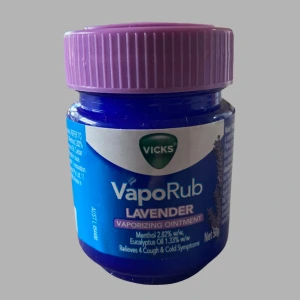
- Cold congestion
- Cough
- Flu symptoms
- Sinus pressure
Ingredients:
| Ingredient | Purpose |
| Menthol | Cooling sensation |
| Camphor | Pain relief |
| Eucalyptus oil | Aromatherapy |
| Petrolatum | Thick ointment base |
✅ Good for chest and throat
❌ Not designed for genital skin
2. Why People think Vicks VapoRub might help
- The tingling or warming sensation may feel like increased blood flow, and online anecdotes incorrectly interpret this as improved penile blood flow or function.
- Some small, speculative lab/animal studies have examined menthol’s effects on blood vessels, but these do not translate into a safe, effective human treatment for ED.
3. Safety concerns — why applying Vicks to the genitals is risky
Topical analgesics containing menthol, methyl salicylate, or camphor are meant for intact skin on the body, not for mucous membranes or highly sensitive skin. Reported harms include:
- Irritation, burning, blistering — the genital skin is thin and highly sensitive, increasing risk. The FDA has documented rare but serious burns with topical menthol/methyl salicylate products. Patients have reported blistering and second-/third-degree burns after typical use.
- Chemical irritation and dermatitis — menthol and camphor can provoke allergic or irritant contact dermatitis on genital skin.
- Infection risk — damaged skin or microtears can permit bacterial or fungal invasion, increasing risk of infection in a moist environment.
- Toxicity if absorbed or entered mucosa — some components (e.g., camphor) are potentially toxic if absorbed or ingested; they are explicitly not for use on mucous membranes.
- Clinical advice: Do not apply Vicks, Biofreeze, Icy Hot, or similar topical analgesics to the penis, scrotum, urethra opening, or vagina. If exposure occurs, rinse thoroughly, and seek medical care for severe burning, blistering, swelling, or urinary symptoms.
4. Evidence-based, safe approaches to erectile dysfunction
If someone presents with ED, a clinician follows a stepwise, evidence-based approach:
A.Evaluate — find the cause
ED is often multifactorial. A thorough history and exam should assess:
- Onset, severity, context (psychogenic vs organic)
- Medical comorbidities (diabetes, hypertension, cardiovascular disease)
- Medications (many drugs can worsen erections)
- Psychological factors (depression, anxiety, relationship issues)
- Lifestyle (smoking, alcohol, obesity, sleep disorders)
This evaluation guides targeted therapy. - To check your erectile function level, try our confidential tool: IIEF-5 Erectile Function Calculator
B.First-line therapies
- Lifestyle interventions: exercise, weight loss, smoking cessation, limiting alcohol — these improve vascular health and erectile function.
- Oral PDE5 inhibitors: sildenafil (Viagra), tadalafil (Cialis), vardenafil — proven to improve erections in many patients when appropriate and safe (contraindicated with nitrates). These are first-line pharmacologic treatments.
C.Second-line / device options
- Vacuum erection devices (VEDs): external pumps that create negative pressure to draw blood into the penis and a constriction ring to maintain erection. Effective and non-invasive.
- Intraurethral or intracavernosal medications: alprostadil suppository or injections for cases not responding to PDE5 inhibitors; used under specialist supervision.
- Penile implants (prosthesis): surgical option for refractory ED with high satisfaction rates.
D.Psychological & relationship therapy
Sex therapy, cognitive behavioral therapy, and couples counseling often help when when psychological factors are significant.
E. Natural Lifestyle Improvements That Really Help
| Fix | Why it works |
| Daily 30–45 min walk | Boosts nitric oxide → better erections |
| Healthy weight | Reduces blood vessel strain |
| Quit smoking | Nicotine narrows penile arteries |
| Manage stress | Anxiety blocks brain-penis connection |
| Good sleep | Improves testosterone |
| Reduce alcohol | Alcohol suppresses erections |
Small changes → Big improvement in erectile strength.
F.When to See a Doctor
If you:
- Had normal erections before and now sudden problems
- ED lasting > 3 months
- Night/morning erections gone
- Diabetes or heart disease present
- Pain or deformity during erections
ED may be the first sign of heart disease — don’t ignore it.
5. What to say to patients who read posts about Vicks or home remedies
If a patient asks about Vicks:
- Be clear and firm: “There’s no evidence Vicks treats ED. It may cause burning or dermatitis if applied to the genitals. Let’s review safe, proven options
- Ask about severity and history: Explore causes and offer medical evaluation — medical issues like diabetes or cardiovascular disease can present as ED and require management.
- Provide harm-reduction advice: If they’ve already applied something and have burning, swelling, or urinary symptoms, wash the area and seek care.
6. Practical patient guidance (do’s and don’ts)
Do:
- See a doctor for a proper assessment.
- Consider evidence-based treatments (lifestyle changes, PDE5 inhibitors, devices).
- Use condoms and lubricant safely; choose water-based lubricants for latex condoms.
Don’t:
- Apply Vicks or any menthol/camphor topical analgesic to the genitalia. These products are not formulated for mucous membranes or sensitive genital skin and can cause serious burns or infections.
- Use unverified online “remedies” in place of medical evaluation.
7. Short rebuttal of common online claims
Many blogs assert Vicks works for ED, citing only anecdotes. Here’s how to evaluate such claims:
- Check for clinical trials — none exist validating Vicks for ED. If a post cites a paper, verify that the paper studied menthol in a controlled trial for human ED (it likely does not).
- Look for harm reporting — the FDA and other agencies have documented burns from topical agents; responsible writers should present these risks.
- Assess author credentials — medical claims should be backed by clinicians or peer-reviewed research, not anonymous posts.
Final takeaways
Do not use Vicks VapoRub on the penis or genitals. There is no evidence it treats erectile dysfunction, and topical menthol/camphor products can cause irritation or even burns. If you have erectile concerns, seek an evidence-based approach: medical evaluation, lifestyle changes, and proven treatments such as PDE5 inhibitors, devices, or specialist therapy.
FAQs
Q1. Can Vicks VapoRub for Erectile Dysfunction really help improve erections?
No. There is no scientific evidence supporting the use of Vicks VapoRub for Erectile Dysfunction. The cooling sensation from menthol may feel stimulating, but it does not increase penile blood flow or treat the real medical causes of ED.
Q2. Why do some men try Vicks VapoRub for Erectile Dysfunction if doctors advise against it?
Many online blogs and social media tips wrongly suggest that menthol boosts circulation. This misunderstanding is why some men experiment with Vicks VapoRub for Erectile Dysfunction, but the risks outweigh any perceived sensation.
Q3. Is Vicks VapoRub safe to apply on penis skin?
No. Using Vicks VapoRub for Erectile Dysfunction can cause:
• Severe burning
• Blistering or chemical irritation
• Dermatitis
• Infection due to damaged skin
The penis is highly sensitive, and camphor/menthol are not approved for genital use.
Q4. Can Vicks VapoRub for Erectile Dysfunction cause long-term damage?
Yes — especially if burns or infection occur. Persistent irritation from Vicks VapoRub for Erectile Dysfunction can lead to sensitivity problems and scarring that may worsen ED.
Q5. If someone already applied Vicks to the penis, what should they do?
• Rinse thoroughly with lukewarm water
• Avoid scrubbing
• Apply a doctor-approved gentle moisturizer
• Seek urgent care if blistering, swelling, or urination pain develops
Stop using Vicks VapoRub for Erectile Dysfunction immediately.
Q6. What actually works better than Vicks VapoRub for Erectile Dysfunction?
Evidence-based treatments include:
✅ PDE5 inhibitors (Viagra, Cialis)
✅ Weight loss & exercise
✅ Managing diabetes, blood pressure
✅ Psychological or couples therapy
✅ Vacuum erection devices, injections, penile implants
These medically approved options are far safer and more effective than Vicks VapoRub for Erectile Dysfunction.
Q7. Can Vicks VapoRub help with performance anxiety or sexual confidence?
No. Anxiety-related ED requires mental-health-based therapy. Relying on Vicks VapoRub for Erectile Dysfunction may delay proper care and worsen performance anxiety.
Q8. Why do doctors strongly discourage Vicks VapoRub for Erectile Dysfunction?
Because:
• It does not improve erection physiology
• It can cause chemical burns
• It bypasses proper medical evaluation
• It provides false hope from social media myths
Doctors recommend safe alternatives instead of Vicks VapoRub for Erectile Dysfunction.
Q9. What should a man do first if he has ED?
✅ Speak to a licensed physician
✅ Check underlying health — ED can be early sign of heart disease or diabetes
✅ Use approved treatments, not remedies like Vicks VapoRub for Erectile Dysfunction
A medical evaluation is crucial for recovery.
References
- U.S. Food and Drug Administration (FDA). Topical Analgesics and Burns: Safety Information. FDA.gov. Available at: https://www.fda.gov/consumers/consumer-updates/topical-analgesics-and-safety
- Mayo Clinic. Erectile Dysfunction: Causes and Risk Factors. MayoClinic.org. Available at: https://www.mayoclinic.org/diseases-conditions/erectile-dysfunction/symptoms-causes/syc-20355776
- Cleveland Clinic. Erectile Dysfunction (ED): Diagnosis and Treatment. ClevelandClinic.org. Available at: https://my.clevelandclinic.org/health/diseases/10026-erectile-dysfunction-ed
- WebMD. Erectile Dysfunction (ED) and Home Remedies: Myths vs. Evidence. WebMD.com. Available at: https://www.webmd.com/erectile-dysfunction/guide/erectile-dysfunction-home-remedies
- National Institute of Diabetes and Digestive and Kidney Diseases (NIDDK). Erectile Dysfunction. NIDDK.nih.gov. Available at: https://www.niddk.nih.gov/health-information/urologic-diseases/erectile-dysfunction
- Khera, M., et al. (2016). Erectile Dysfunction: Evaluation and Management. American Family Physician, 94(4), 284–292. Available at: https://www.aafp.org/afp/2016/0815/p284.html
- Rosen, R.C., et al. (1997). The International Index of Erectile Function (IIEF): A multidimensional scale for assessment of erectile dysfunction. Urology, 49(6), 822–830. Available at: https://pubmed.ncbi.nlm.nih.gov/9187685/