
How to Get Rid of a Spinal Headache – A Complete Medical Guide on Causes, Diagnosis & Treatment
Introduction
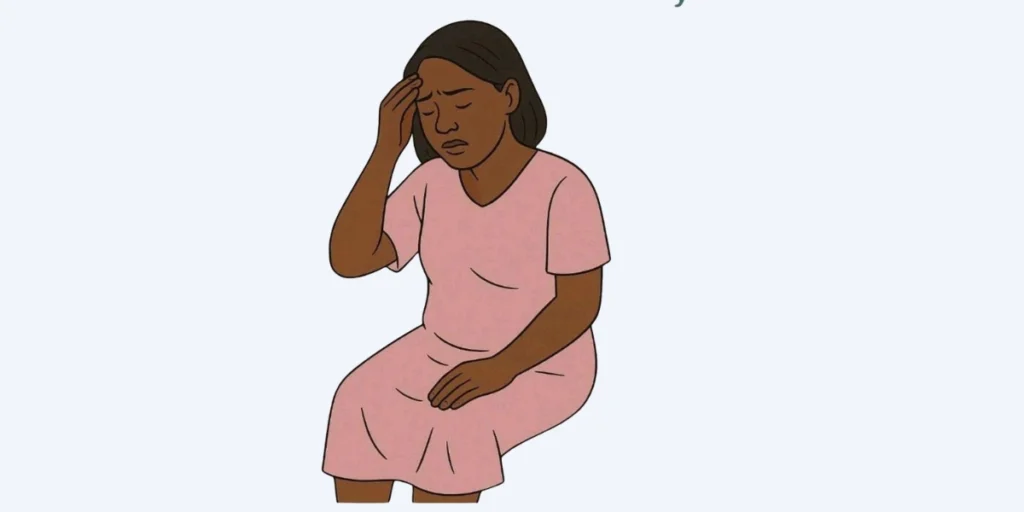
Experiencing a sudden, severe headache after a lumbar puncture, spinal tap, or epidural? You may be suffering from what is commonly called a spinal headache – more formally known as a Post‑dural puncture headache (PDPH).
This condition is characterized by a headache that worsens when upright and improves when lying down, often following a puncture of the dura mater and resulting cerebrospinal fluid (CSF) leakage. Identifying the early and managing it promptly is vital, because although many cases resolve with conservative care, some require more active intervention.
Post-Spinal Headache
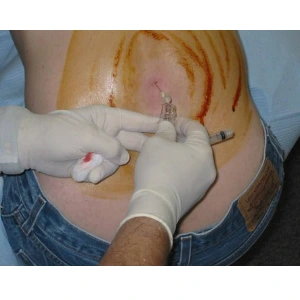
A common complication after spinal anesthesia in cesarean deliveries.
Incidence: Up to 1–2% of women
Pathophysiology: Leakage of cerebrospinal fluid (CSF) through the puncture site reduces intracranial pressure.
Causes
- A dural puncture (intentional, as during a spinal anesthetic or diagnostic lumbar puncture, or unintentional as during epidural catheter placement) leads to a CSF leak through the hole in the dura.
- The loss of CSF reduces intracranial CSF volume and pressure; the brain and its meningeal coverings sag slightly due to gravity when upright, stretching pain‐sensitive intracranial structures and large cerebral vessels → leading to the characteristic orthostatic headache.
Risk factors
- Younger age and female gender appear more at risk.
- Low body mass index (BMI) may increase risk.
- Using large bore cutting needles for lumbar puncture or spinal anesthesia (rather than pencil‐tip/atraumatic needles) increases likelihood.
- Multiple dural puncture attempts or traumatic taps.
Typical clinical features
- Onset usually within 24–48 hours of the dural puncture, although delayed onset up to 5–7 days can occur.
- Headache is postural: it worsens when the patient is upright or sitting/standing, and improves when lying flat (recumbent).
- Location: often bilateral frontal or occipital, may radiate to the neck, shoulders. It may be described as dull, throbbing or dragging.
- Associated symptoms may include: neck or back stiffness, nausea, vomiting, dizziness, tinnitus or hearing changes, visual disturbances, and sometimes radicular symptoms.
- Less commonly—but importantly—if severe or untreated, complications such as subdural haematoma, cerebral venous sinus thrombosis can occur.
 improves when lying flat (recumbent).
Red flags (need urgent evaluation)
- Neurological deficits (e.g., weakness, numbness)
- Persistent headache beyond expected timeframe or worsening instead of improving
- Signs of raised intracranial pressure, or suspected subdural hemorrhage
- If patient had a dural puncture and urinary retention, incontinence, back‐leg symptoms
In such cases imaging and specialist review are indicated.
Clinical diagnosis
The diagnosis of a spinal headache is primarily clinical: history of recent dural puncture + postural headache + characteristic features. Often no further tests are needed if the presentation is classic.
When to investigate
- If the headache does not improve with conservative therapy or presents atypically (e.g., no positional component, or other neurological signs) → neuroimaging (MRI brain/spine) to exclude other causes (e.g., subdural hematoma, spontaneous intracranial hypotension, venous sinus thrombosis).
- If suspicion of ongoing CSF leak and persistent symptoms, imaging such as MRI spine with contrast or CT myelography may localize the leak.
Summary table
| Parameter | Typical finding |
| Onset | Within 24-48h (up to 7 days) of dural puncture |
| Postural nature | Worse upright, better lying down |
| Associated symptoms | Nausea, neck stiffness, tinnitus, visual changes |
| Imaging | Usually normal if classic; further imaging if atypical or persistent |
Treatment Options – How to Get Rid of a Spinal Headache
Conservative (first‐line) treatments
These should be initiated early in almost all patients unless contraindicated.
- Bed rest / lying flat: Encourage the patient to lie in the supine position to reduce traction on intracranial structures.
- Hydration: Although evidence for prevention is weak, maintaining good hydration is generally advised.
- Caffeine: Oral (e.g., 300 mg) or intravenous caffeine (300–500 mg over 1 hr) has been shown to provide symptomatic relief (likely via cerebral vasoconstriction/increased CSF production).
- Simple analgesics / NSAIDs: For symptom relief (acetaminophen, ibuprofen) while awaiting resolution.
When conservative measures may suffice
- Many patients (~85%) will improve spontaneously within 1–2 weeks without invasive intervention.
- Therefore, in mild cases where daily function is preserved, observation and conservative management is reasonable.
Interventional / advanced treatments
When headache is moderate‐severe, persists beyond ~72 hours, or impairing quality of life, escalate treatment.
- Epidural blood patch (EBP): The gold standard for persistent PDPH. A small volume (typically 20–30 mL) of the patient’s autologous blood is injected into the epidural space to form a clot and seal the dural leak. Success rates ~70-90%.
- Indications: significant headache, disability, hearing/vision symptoms, delayed recovery.
- Timing: Often after 24-48h if conservative fails; earlier versus later is debated (some evidence suggests earlier may reduce failure).
- Other therapies (less common / adjunctive): Sphenopalatine ganglion block, glue‐augmented patches, surgical repair in rare refractory cases.
Natural/lifestyle adjuncts
- Encourage adequate sleep, avoid prolonged upright posture when possible.
- Small frequent caffeine intake may help (under doctor supervision).
- Alternative measures: abdominal binder has been used in CSF leak scenarios to increase intracranial pressure mildly.
Lifestyle & Prevention
Preventive steps
- Use atraumatic/“pencil-point” spinal needles rather than cutting needles when performing lumbar puncture/spinal anesthesia. This reduces the risk of PDPH.
- Minimize number of puncture attempts.
- Post‐procedure: advise patients to lie flat for some hours (though evidence for strict bed rest preventing PDPH is weak) and monitor for early signs.
Advice to patients
- Warn patients undergoing a lumbar puncture or spinal anesthesia about the possibility of a spinal headache: onset, typical features and when to seek help.
- Encourage them to avoid excessive upright activities when symptoms begin.
- Advise adequate fluid intake and moderate caffeine consumption.
- If symptoms persist beyond ~24-48h or worsen, urge them to return for reassessment.
Conclusion
A spinal headache (post-dural puncture headache) is a well‐recognized but manageable complication of dural puncture. The hallmark is a postural headache (worse upright, better lying down) after a spinal procedure. As a clinician, your role is to identify it early, initiate conservative measures (bed rest/lying flat, hydration, caffeine, analgesics), and escalate to interventions like an epidural blood patch when necessary.
Most patients improve within a week or two, but prompt recognition and management can significantly reduce discomfort and disability. Always monitor for red-flag signs and consult neurology/neurosurgery or pain‐specialist colleagues if complicated features arise.
For women experiencing pregnancy-related or post-epidural spinal headaches, understanding safe pain relief during pregnancy can help you choose evidence-based, doctor-approved options while avoiding harmful medications.
FAQs
Q1: How long does it take to get rid of a spinal headache?
Most people notice improvement within 24–48 hours, and symptoms often disappear within one to two weeks. However, if you’re wondering how to get rid of a spinal headache faster, medical treatments like an epidural blood patch can offer immediate relief in many cases.
Q2: Is the headache always better when lying down?
Yes—the hallmark is a positional component: worse when upright/sitting/standing, relieved when supine. However, in rare cases postural component may be absent (<5%).
Q3: Can I drink coffee to help?
Yes — caffeine has been shown to provide symptomatic relief due to cerebral vasoconstriction and increased cerebrospinal fluid (CSF) production. Moderate coffee intake (around 300 mg of caffeine) can help reduce pain and pressure. However, it’s only a partial solution for how to get rid of a spinal headache, and medical evaluation is still essential.
Q4: What is an epidural blood patch and when is it used?
An epidural blood patch (EBP) is considered the gold-standard medical treatment for how to get rid of a spinal headache when conservative measures fail. It involves injecting your own blood into the epidural space to seal the CSF leak and restore normal intracranial pressure — often providing near-instant relief.
Q5: Are there long-term complications if I don’t treat it?
In most cases, spinal headaches resolve naturally, but untreated or severe cases can lead to complications like subdural hematoma, cerebral venous sinus thrombosis, or persistent CSF leak. This is why timely management of how to get rid of a spinal headache is crucial under medical supervision.
Q6: Can posture or movement make a spinal headache worse?
Yes. A spinal headache typically worsens when you sit or stand and improves when you lie flat. Understanding this positional pattern helps both patients and doctors identify how to get rid of a spinal headache through posture modification and rest.
Q7: Can medications alone get rid of a spinal headache?
Over-the-counter pain relievers (like acetaminophen or NSAIDs) can ease mild pain, but they don’t seal the CSF leak. For complete recovery, knowing how to get rid of a spinal headache often requires a combination of rest, hydration, caffeine, and sometimes an epidural blood patch.
Q8: When should I see a doctor for a spinal headache?
Seek immediate medical help if your headache worsens when standing, lasts longer than 48 hours, or is accompanied by vision changes, dizziness, or nausea. A specialist can assess how to get rid of a spinal headache effectively and safely using targeted treatments.
References
- American Society of Anesthesiologists (ASA). Post-Dural Puncture Headache (Spinal Headache). ASA.org. Available at: https://www.asahq.org/madeforthismoment/anesthesia-101/complications/spinal-headache
- Becker DE. Postdural Puncture Headache: Pathophysiology, Prevention, and Treatment. Anesth Prog. 2010;57(2):75–81. Available at: https://pubmed.ncbi.nlm.nih.gov/20556215/
- Bezov D, Lipton RB, Ashina S. Post-dural puncture headache: Part I diagnosis, epidemiology, etiology, and pathophysiology. Headache. 2010;50(7):1144–1152. Available at: https://pubmed.ncbi.nlm.nih.gov/20630022/
- Turnbull DK, Shepherd DB. Post-dural puncture headache: Pathogenesis, prevention and treatment. Br J Anaesth. 2003;91(5):718–729. Available at: https://pubmed.ncbi.nlm.nih.gov/14516229/
- Mokri B. Spontaneous and Post-Lumbar Puncture CSF Leaks. Continuum (Minneap Minn). 2015;21(4 Headache):1086–1108. Available at: https://pubmed.ncbi.nlm.nih.gov/26260937/
- El-Boghdadly K, et al. Epidural Blood Patch for Post-Dural Puncture Headache: Indications, Technique, and Outcomes. Curr Opin Anaesthesiol. 2021;34(6):780–788. Available at: https://pubmed.ncbi.nlm.nih.gov/34360733/
- Headache Classification Committee of the International Headache Society (IHS). The International Classification of Headache Disorders, 3rd edition (ICHD-3). Cephalalgia. 2018;38(1):1–211. Available at: https://pubmed.ncbi.nlm.nih.gov/29368949/
- Mayo Clinic. Post-Lumbar Puncture Headache. MayoClinic.org. Available at: https://www.mayoclinic.org/diseases-conditions/post-lumbar-puncture-headache/symptoms-causes/syc-20355532