

How Sciatica Causes Erectile Dysfunction: Complete Medical Guide
Introduction
Understanding how sciatica causes erectile dysfunction is crucial because most people associate sciatica only with lower back pain, leg tingling, or numbness — not sexual problems. However, the same nerve pathways that transmit pain and movement signals from the lower spine also play a role in pelvic and sexual function.
For some men, this overlap leads to what experts now call sciatica — erectile dysfunction (ED) that develops due to nerve compression or irritation in the lumbar and sacral regions. Recognizing how sciatica causes erectile dysfunction can help men identify the problem early and seek proper treatment before it becomes permanent.
this article explores how sciatica causes erectile dysfunction by examining the nerve pathways involved, reviewing clinical evidence, and providing diagnostic and management guidelines. Understanding this relationship helps both patients and clinicians navigate treatment safely and effectively, improving both spinal and sexual health outcomes.
1.Why Sciatica Might Affect Sexual Function
It’s critical to recall some anatomy & physiology so that when we talk about sciatica causing impotence, you know the “wires” that are involved.
1.1 Sciatic nerve, lumbosacral roots & relation to pelvic nerves
- The sciatic nerve is primarily composed of contributions from spinal roots L4, L5, S1, S2, S3. It courses through the pelvis, gluteal region, and down the posterior thigh and leg.
- However, sexual function (erection, sensation, genital innervation) depends heavily on sacral plexus / pudendal nerves / pelvic autonomic nerves (parasympathetic and sympathetic outflow). The pudendal nerve, arising from S2–S4, mediates penile sensation, perineal skin, and motor innervation to pelvic floor muscles..
- Also, autonomic (erectile) input travels via pelvic splanchnic nerves (S2–4 parasympathetics) and hypogastric plexuses which lie anterior to the vertebral bodies and disc spaces in the lower lumbar / sacral region. Injuries or compression in that area can affect these fibers.
So although the sciatic nerve is not classically considered a sexual nerve, pathologies of the lumbosacral region (which cause sciatica) may impinge closely neighboring nerves important for erection or pelvic sensation.
1.2 Shared space, overlapping innervation, and nerve cross-talk
- In the lumbosacral region, the roots that supply the sciatic nerve travel adjacent to sacral / pelvic nerve roots; a large disc herniation at L5–S1 might not only compress the exiting root (causing sciatica) but also impinge sacral autonomic/sexual fibers or cause local inflammatory change. Indeed, a case series described sexual dysfunction associated with L5–S1 disc disease even in patients without significant back pain or motor deficits.
- Lumbosacral annular tears (i.e. tears of the intervertebral disc annulus) can produce sacral radiculopathy manifesting as genito-pelvic dysesthesia (abnormal sensations in genital area), arousal symptoms, or erectile dysfunction — even when symptoms may seem remote from the spine.
- In addition, nerve cross-sensitization or “remote pain mediation” is described: pathology in one nerve territory influencing adjacent nerves (neurogenic cross-talk). Some sexual dysfunction symptoms may present not just when the root is compressed, but when irritation spreads to nearby neural circuits.
2.Biological requirements for erection: nerves + vessels + smooth muscle
- Neural signaling (parasympathetic, sympathetic, somatic/pudendal)
- Vascular dilation (arterial inflow)
- Venous occlusion/maintenance of blood in corpora cavernosa
- Smooth muscle function in penile tissues
- Adequate hormonal milieu + psychological drive
If neural input is disrupted (by compression, inflammation, demyelination), vascular tone may not be properly regulated even if vessels are intact. Also, prolonged nerve compression may lead to nerve ischemia or Wallerian degeneration affecting downstream conduction. That’s how nerve problems may lead to neurogenic ED.
Thus, sciatica pathologies that compromise even partly the neural circuits supplying sexual function can contribute (or even precipitate) impotence.
3.Epidemiology & Evidence
3.1 Sexual dysfunction in lumbar disc / back pain populations
- Among patients with lumbar disc herniation (LDH), up to 72% report some disturbance in sexual activity (reduced frequency, pain during intercourse, difficulty maintaining an erection), often attributed to pain, fear of aggravation, psychological strain, or mechanical limitation.
- A more recent blog cites that “up to 77% of patients with acute lumbar disc herniation experience sexual dysfunction, which significantly improves after surgical treatment
- In spine surgery series, sexual and sphincter dysfunction has been documented in patients with L5–S1 disc disease — though often underreported. A study of 4 patients noted perianal sensory deficits, sexual dysfunction, even without classic back pain or muscle weakness. (
3.2 Case reports / unique syndromes
- There is a documented case in the anesthesia literature: after a posterior sciatic nerve block (for knee arthroscopy), a patient developed pudendal nerve injury, erectile dysfunction, and partial loss of penile sensation, along with signs of sciatic nerve injury. Symptoms lasted ~7 months.
- In patients with lumbosacral annular tears, chart reviews show that sexual dysfunctions (involving genital dysesthesia, painful nocturnal erections, etc.) may be secondary to sacral radiculopathy induced by the annular lesion.
3.3 Global relevance & limitations
- Most research is observational, retrospective, or case-based; few large-scale prospective studies exist.
- Many men with ED have multifactorial etiologies (vascular, endocrine, and psychological). Disentangling pure “sciatica-caused ED” is difficult.
- It is underrecognized: many spine / neurosurgeons may fail to ask about sexual symptoms; many patients may not volunteer them due to stigma.
- However, the cumulative evidence strongly suggests that neurogenic contributions to ED in the context of sciatica/spinal pathology deserve attention from both spine and urology clinicians.
4.Pathophysiology: How Sciatica Causes Erectile Dysfunction
4.1 Direct Neural Injury / Compression of Sexual Nerve Fibers
- Sacral root compression: A large L5–S1 herniation or extrusion may encroach upon S1/S2 roots, and in severe cases, impinge the sacral plexus / pelvic autonomic fibers (which lie ventral to disc spaces). This may interrupt signals needed for erection/sensation.
- Annular tear / radiculopathy: Disc tears or bulges may irritate adjacent sacral radicular fibers, leading to genito-pelvic dysesthetic symptoms or arousal/erection abnormalities.
- Cross-sensitization / neurogenic spread: Inflammation or alteration in one nerve root may cause afferent sensitization or influence neighboring roots, so that dysfunction extends beyond the original radicular territory.
- Ischemic injury / demyelination: Sustained compression may reduce blood flow to nerve tissue, leading to demyelination or axonal injury, reducing conduction velocity or signal integrity.
4.2 Secondary Vascular / Hemodynamic Effects
- Local vascular compromise: Inflammation, local swelling, or mechanical compression might hamper microvascular perfusion to nerves or vessels feeding the pelvic region.
- Reduced pelvic blood flow with disuse / inactivity: Pain limiting mobility can lead to vascular deconditioning over time, reducing the capacity of penile arteries to dilate effectively.
- Endothelial dysfunction: Many patients with spine disease also carry vascular risk factors (diabetes, hypertension, and hyperlipidemia). These co-factors compound risk of erectile dysfunction. Indeed, spine disease can “unmask” latent vascular ED.
4.3 Pain, Psychological & Behavioral Mediators
- Chronic pain → depression, anxiety → decreased libido or performance anxiety
- Fear of aggravating pain during sexual activity may reduce sexual activity, leading to “use it or lose it” decline
- Medication side effects: Some neuropathic pain medications, antispasmodics, opioids, or antidepressants may impair sexual function
- Postural / mechanical constraints: Spinal pain may limit comfortable sexual positions or motion, reducing frequency or satisfaction
5.Neuroplastic changes / Central sensitization
Over time, chronic nerve irritation can lead to central changes in the way the nervous system processes sexual stimuli — lowering sensitivity or increasing thresholds for arousal/erection.
Thus, the path from sciatica to impotence is likely multifactorial, with overlap. In many patients, no single “smoking gun” is evident, but the cumulative insult leads to clinically significant ED.
5.Clinical Presentation
When you suspect sciatica based erectile dysfunction in a patient, thorough history and exam are critical. Below is a suggested clinical approach.
History
Back / Sciatica symptoms: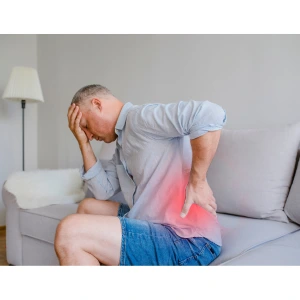
- Onset, duration, character of back pain / leg pain / radicular symptoms
- Radiation: buttock → thigh → calf / foot
- Numbness, tingling, weakness
- Aggravating/relieving factors (sitting, standing, lifting)
- History of disc herniation, spine surgery, trauma
Sexual / erectile history:
- Onset of erectile dysfunction relative to back symptoms (simultaneous? delay?)
- Severity: difficulty achieving erection, maintaining, rigidity
- Presence of nocturnal/morning erections
- Changes in penile sensation (numbness, tingling)
- Pain or discomfort in genital, perineal, or inner thigh region during intercourse
- Libido, psychological stress, depression/anxiety
- Medications (antidepressants, opioids, antihypertensives, anticonvulsants, muscle relaxants)
- Vascular risk factors: diabetes, hypertension, hyperlipidemia, smoking
Other urologic / neurologic symptoms:
- Bladder dysfunction, bowel disturbances, perianal numbness (check for cauda equina syndrome)
- Sensory loss in the saddle region
- History of pelvic surgeries, prostate interventions, radiation
Physical Examination
Spine / Neurologic exam:
- Inspection, posture, spinal alignment, gait
- Straight-leg raise / Lasegue’s sign, slump test
- Sensory testing (dermatomes)
- Motor strength in lower extremities
- Reflexes (knee, ankle)
- Look for signs of lower motor neuron involvement
Genital / perineal / pelvic exam:
- Sensory testing of perineum, penile shaft
- Examine for allodynia, hyperesthesia, or reduced sensation
- Examine penile structure, curvature
- Check for scrotal reflexes
- Perianal / anal reflex, check saddle sensation
Vascular / general exam:
- Peripheral pulses
- Signs of vascular disease (e.g. peripheral neuropathy)
- Cardiovascular / metabolic exam
Red flags / urgent signs
- Sudden loss of bladder/bowel control → cauda equina syndrome (surgical emergency)
- Rapid progression of motor weakness
- Severe neurologic deficits
Differential diagnoses to consider
- Pure vascular ED (atherosclerosis)
- Hormonal causes (low testosterone, hyperprolactinemia)
- Psychological ED
- Pelvic / pudendal neuropathy
- Spinal cord lesions
- Pelvic surgery or trauma sequelae
Understanding how sciatica causes erectile dysfunction helps patients recognize symptoms early and seek proper treatment to restore both spinal and sexual function.
6.Diagnostic Workup & Investigations
6.1 Imaging
- MRI lumbosacral spine: gold standard to identify disc herniation, nerve root compression, stenosis, annular tears.
- MR neurography: specialized imaging to visualize nerves (sciatic, pudendal) in pelvis / gluteal region.
- CT / CT myelogram: for patients who cannot have MRI or to better assess bony anatomy.
- MRI pelvis / sacrum (if suspicion of pelvic nerve entrapment).
6.2 Electrophysiology / Neurodiagnostic studies
- Nerve conduction studies (NCS) / Electromyography (EMG): to evaluate nerve root / peripheral nerve involvement.
- Pudendal nerve terminal motor latency (PNTML): to assess pudendal nerve conduction (if pudendal involvement suspected).
- Neurogenic sexual function testing: somatosensory evoked potentials (SSEPs) from dorsal penile or pudendal nerves, bulbocavernosus reflex test.
6.3 Vascular / penile function tests
- Penile Doppler ultrasound (after intracavernosal injection): measures arterial inflow and veno-occlusive function.
- Nocturnal penile tumescence (NPT) or rigidometer: to check for nocturnal erections (helps differentiate neurologic vs psychogenic ED).
- Penile duplex ultrasound / cavernosometry / cavernosography: in specialized centers.
6.4 Laboratory & endocrine workup
- Total testosterone, free testosterone, LH, FSH, prolactin
- Thyroid function tests
- Fasting glucose / HbA1c
- Lipid profile
- Renal function, liver enzymes
- C-reactive protein, ESR (if inflammatory disease suspected)
6.5 Psychological / psychiatric evaluation
- Screening for depression, anxiety, sexual stress
- Use validated tools (e.g. PHQ-9, GAD-7, IIEF questionnaire)
Others
- Urodynamic studies (if bladder symptoms)
- Consult urology / neurology / spine specialist collaboration
7. Treatment & Management Strategies
In managing sciatica-associated ED, an integrated, multimodal approach tends to be most successful. You need to treat both the spine / nerve issue and the erectile dysfunction component.
A. Overarching Principles & Strategy
- Early detection and intervention — the longer nerve compression persists, the more risk of permanent damage.
- Multidisciplinary care — involve neurosurgery / orthopedics, urology / sexual medicine, physical therapy, psychology.
- Individualized plan — choose treatments based on severity, patient preferences, comorbidities, reversibility.
- Sequential / staged approach — often start with conservative measures, escalate to interventional/surgical as needed.
B. Conservative / Noninterventional Therapies
1.Physical therapy & rehabilitation
- Core and paraspinal strengthening — stabilize lumbar spine to reduce recurrent nerve stress
- Flexibility & stretching — hamstrings, hip flexors, gluteal muscles
- Postural training and ergonomics — sitting posture, lumbar support, avoiding prolonged static positions
- Traction, decompression therapy — in selected patients
- Neural mobilization / nerve flossing — gentle gliding of nerve roots, sciatic mobilization
These help relieve nerve tension and improve spinal alignment, thereby reducing compressive forces on nerve roots.
2. Pain management & anti-inflammatory therapy
- NSAIDs, analgesics (short-term)
- Neuropathic pain agents (e.g. gabapentinoids, tricyclics, SNRIs) — use cautiously, monitoring for sexual side effects
- Muscle relaxants / physiotherapy modalities — TENS, ultrasound, heat/cold
- Epidural steroid injections or selective nerve root blocks — reduce inflammation around nerve roots
By reducing nerve inflammation and pain, these interventions can restore nerve conduction and indirectly aid sexual function.
3. Lifestyle modifications
- Weight control / nutrition
- Smoking cessation / limiting alcohol
- Cardiovascular exercise — improves vascular health and nerve perfusion
- Correct control of comorbidities — diabetes, hypertension, dyslipidemia
- Stress management, sleep hygiene, psychotherapy / counseling
These reduce contributing risk factors common to both ED and spinal degeneration.
C. Erectile Dysfunction–Focused Therapies
1. Oral therapies (PDE-5 inhibitors)
- Sildenafil, tadalafil, vardenafil, avanafil — first-line medical therapy for many men with ED.
- In the setting of neurogenic ED (nerve injury), PDE-5 inhibitors can still help by enhancing residual vascular response.
- Interestingly, experimental animal studies have shown that tadalafil (given every 48 hours for 8 weeks) in diabetic mice improved conduction velocities in the sciatic nerve, increased vascularity, and reversed nerve fiber degradation.
- The use of PDE-5 inhibitors may support nerve recovery indirectly via improved blood flow and vascular remodeling.
Caveats & precautions: Monitor for cardiovascular contraindications when prescribing PDE-5 inhibitors, especially in patients with concomitant heart disease or nitrates use.
2. Intracavernosal / intraurethral therapy
- Intracavernosal injections: alprostadil (PGE1), papaverine, phentolamine or combination therapy
- Intraurethral (MUSE): insert a pellet into the urethra
- These bypass partially impaired neural signaling by directly triggering smooth muscle dilation in penile tissue.
3. Vacuum erection devices (VEDs)
- Non-invasive, external devices that use negative pressure to draw blood into the penis; a constriction ring then maintains the erection.
- Useful especially in patients with significant nerve injury and in combination with other therapies.
4. Low-intensity shockwave therapy (Li-SWT)
- Emerging therapy to promote angiogenesis and tissue regeneration in erectile tissue; some success in neurogenic ED settings.
- Still considered experimental and dependent on specialist centers.
5. Penile prosthesis implantation
- Reserved for refractory ED where other therapies fail
- Implantable inflatable or malleable prostheses
- For men whose spinal / nerve condition cannot be reversed, prosthesis offers a durable functional option.
6. Neuromodulation / nerve stimulation
- Sacral nerve stimulation / neuromodulation — direct stimulation of sacral roots to improve pelvic organ function
- Peripheral nerve stimulation — experimental in sexual dysfunction
- Spinal cord stimulation (in selected cases) — more common in pain management, but may modulate neural circuits affecting sexual function
D. Surgical / Interventional Procedures for Spine / Nerve Side
- Microdiscectomy / lumbar decompression: remove herniated disc material compressing nerve roots
- Laminectomy / foraminotomy: decompress bony structures narrowing the canal
- Interbody fusion / stabilization: in cases of instability
- Endoscopic discectomy: less invasive decompression
- Decompression of pelvic / pudendal nerves (if pudendal nerve entrapment is implicated)
- Neurolysis / adhesiolysis procedures: free nerves from scar tissue or tethering
- Percutaneous nerve ablation / radiofrequency (rare, experimental)
Successful decompression of offending lesions may relieve both sciatica symptoms and contribute to restitution of sexual function, especially if intervened early. Some case reports note improvement in sexual symptoms after spinal surgery.
E. Combined / Staged Therapy Example
- Begin physical therapy, pain control, lifestyle changes
- Start PDE-5 inhibitor if no contraindications
- Use vacuum device or intracavernosal therapy as needed
- Monitor for improvement; re-evaluate imaging / neurophysiology
- If residual nerve compression persists or neurological deficits worsen, escalate to surgical decompression
- Continue follow-up and adjust ED therapies
- Consider neuromodulation / penile prosthesis in refractory cases
8. Prognosis & Recovery Timeline
- The sooner the nerve compression is relieved, the greater the chance of full or partial recovery.
- Some studies suggest sexual function significantly improves after surgical intervention in lumbar disc herniation cases.
- However, in a small series of L5–S1 disc sexual dysfunction patients, while sensory symptoms improved postoperatively, sexual dysfunction did not always fully resolve — indicating that some nerve damage may be irreversible.
- Recovery may take weeks to months, depending on severity, duration, and patient’s baseline health.
- Long-standing nerve damage or severe demyelination may lead to incomplete recovery despite optimal intervention.
- In refractory cases, sexual function may not fully normalize despite best efforts, but symptom improvement is often possible.
9.Prevention & Lifestyle Considerations
Prevention is always better than cure. Here are recommendations to minimize risk of sciatica-induced ED — both as a preventive strategy and as a complement to treatment.
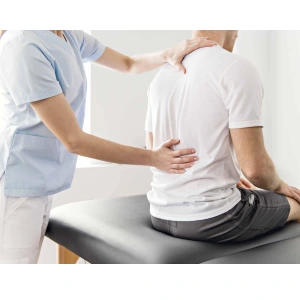
Spine / sciatica–oriented preventive measures
- Maintain a healthy body weight

- Strengthen core, back, gluteal musculature
- Use proper ergonomics and posture (especially for those sitting long hours)
- Avoid heavy lifting with poor mechanics
- Frequent breaks from prolonged sitting; stretch and walk
- Smoking cessation
- Manage comorbidities (diabetes, hypertension, dyslipidemia) aggressively
Vascular / sexual health–oriented measures
- Cardiovascular exercise (walking, swimming)
- Diet rich in antioxidants, omega-3 fatty acids, low in processed food
- Optimize blood pressure, cholesterol, glucose
- Adequate sleep, stress management (yoga, mindfulness, therapy)
- Avoid excessive alcohol, illicit drugs
- Regular checkups with urology / sexual health clinics
These measures help preserve both neural and vascular integrity, reducing cumulative risk of erectile dysfunction.
Conclusion
Sciatica can sometimes contribute to erectile dysfunction (ED) due to nerve compression in the lower spine that affects pelvic and pudendal nerves involved in sexual function. Although sciatica mainly causes back and leg pain, severe or chronic cases may disrupt the neural pathways essential for erection and sensation.
FAQs
Q1. Can sciatica alone cause complete impotence (no erection at all)?
Yes — in rare, severe cases where sciatic or sacral nerve compression is profound, erectile function can be fully impaired. The mechanism of how sciatica causes erectile dysfunction involves damage to the sacral nerve roots (S2–S4), which transmit signals for arousal and penile erection. However, in most patients, sciatica contributes partially to impotence rather than being the only cause. Timely decompression and physiotherapy can often restore erectile function.
Q2. How long after sciatica symptoms appear should someone worry about ED?
If symptoms of sciatica-related erectile dysfunction persist beyond 3 months despite conservative care (pain control, posture correction, physiotherapy), further assessment is necessary. This persistence may indicate that sciatic nerve inflammation is affecting pelvic nerve branches responsible for erection. A neurologist or urologist can evaluate with MRI or neurophysiological tests to determine how sciatica causes erectile dysfunction in that specific case.
Q3. Are PDE-5 inhibitors safe when someone has sciatica or spinal disease?
Yes, in most cases. Medications such as sildenafil or tadalafil can improve erectile response by enhancing penile blood flow. However, they do not correct how sciatica causes erectile dysfunction — meaning, they treat the symptom (ED), not the nerve injury itself. Always consult a physician before starting these drugs, particularly if you have cardiovascular disease or are taking nitrates.
Q4. If a spine surgeon fixes a herniated disc, will erectile dysfunction always improve?
Not necessarily. Improvement depends on the duration and severity of nerve compression. When sciatica is treated early, many men see marked recovery in sexual function because the decompression reverses how sciatica causes erectile dysfunction through restored nerve signaling. But if the nerve fibers have sustained chronic damage, some degree of ED may persist even after successful back surgery.
Q5. When is penile prosthesis considered for sciatica impotence?
Penile implants are considered when both conservative (medications, physiotherapy) and surgical treatments have failed, and sciatica impotence remains disabling. In such cases, the prosthesis bypasses the neurovascular pathway affected by how sciatica causes erectile dysfunction, offering a mechanical solution for men seeking a reliable and permanent fix.
Q6. Could pudendal nerve entrapment mimic sciatica impotence?
Absolutely. Pudendal nerve entrapment can cause pain, numbness, and erectile issues that resemble how sciatica causes erectile dysfunction. Since both nerves originate from the sacral plexus, their symptoms overlap. Accurate diagnosis through imaging and nerve conduction studies is essential to distinguish pudendal neuralgia from classic sciatica.
Q7. Are there new or advanced therapies for sciatica-related erectile dysfunction?
Yes. Research into how sciatica causes erectile dysfunction has inspired modern interventions like neuromodulation, regenerative medicine, and low-intensity shockwave therapy. Emerging treatments such as sacral nerve stimulation, stem cell therapy, and platelet-rich plasma (PRP) aim to restore nerve function and blood flow. These are still under investigation but show promise for neurogenic ED cases.
Q8. Can physical therapy alone reverse sciatica-related impotence?
In mild cases, yes. Physical therapy that relieves pressure on the sciatic and sacral nerves can significantly improve both mobility and sexual function. By addressing posture, flexibility, and muscle tension, therapy reduces the mechanical pathway of how sciatica causes erectile dysfunction. Combined with aerobic exercise and pelvic floor strengthening, recovery rates are higher.
Q9. Does chronic pain from sciatica worsen erectile problems psychologically?
Definitely. Chronic sciatic pain increases cortisol levels and anxiety, both of which interfere with sexual performance. Psychological stress amplifies how sciatica causes erectile dysfunction by disrupting brain-to-pelvis nerve signaling. Integrating cognitive behavioral therapy (CBT) or stress-management techniques with medical treatment helps address this dual physical-psychological component.
Q10. What supplements or nutrients may help nerve healing and improve erectile function in sciatica?
Certain nutrients — such as Vitamin B12, B6, alpha-lipoic acid, magnesium, and omega-3 fatty acids — support nerve repair and improve vascular health. Though not a cure, they can mitigate the effects of how sciatica causes erectile dysfunction by promoting nerve regeneration and reducing inflammation. Always use supplements under medical supervision.
Q11. Can diabetes worsen the impact of sciatica on erectile function?
Yes, diabetes can intensify how sciatica causes erectile dysfunction because it already damages peripheral nerves and small blood vessels. When diabetic neuropathy combines with sciatic nerve compression, the risk of ED multiplies. Controlling blood sugar and maintaining good cardiovascular health are critical preventive steps.
Q12. Is erectile dysfunction from sciatica reversible in most patients?
In many cases, yes — particularly when treatment begins early. The reversibility depends on how long the nerve was compressed and whether blood flow and muscle tone are preserved. Addressing how sciatica causes erectile dysfunction through targeted physiotherapy, medical management, and healthy lifestyle habits often leads to substantial improvement within months.
References
- National Institute of Neurological Disorders and Stroke (NINDS) – Sciatica Overview
https://www.ninds.nih.gov/health-information/disorders/sciatica - Cleveland Clinic – Sciatica: Causes, Symptoms & Treatment
https://my.clevelandclinic.org/health/diseases/12792-sciatica - Cleveland Clinic – Erectile Dysfunction: Causes & Treatments
https://my.clevelandclinic.org/health/diseases/10036-erectile-dysfunction - StatPearls (NCBI) – Anatomy, Sciatic Nerve
https://www.ncbi.nlm.nih.gov/books/NBK482431/ - StatPearls (NCBI) – Erectile Dysfunction (Pathophysiology & Management)
https://www.ncbi.nlm.nih.gov/books/NBK562253/