
How to Naturally Tighten the Vagina: A Complete Guide to Confidence, Intimacy, and Wellness
Introduction
Every woman’s body is unique. Over the course of life — through childbirth, aging, hormonal shifts, and lifestyle habits — the vagina and pelvic muscles undergo natural changes. These changes can sometimes leave women wondering: how to naturally tighten the vagina without surgery or unsafe methods?
The good news is that nature has already provided powerful ways to strengthen and restore vaginal health. From simple exercises like Kegels to nutritional remedies, herbal care, and even emotional wellness practices, the path to a healthier, tighter, and more confident self is achievable.
1: The Science Behind Vaginal Health
Before diving into practical solutions, it’s important to understand how the vagina works.
a) Vaginal Structure & Elasticity
The vagina is made of layers of smooth muscle and elastic tissue. Much like a rubber band, it has the ability to stretch and contract. This flexibility allows for childbirth, intimacy, and natural movement. Over time, however, elasticity may reduce.
b) Why Vaginal Looseness Happens
- Childbirth: Muscles expand to allow passage of a baby. While they do contract afterward, complete recovery varies.
- Aging & Menopause: Collagen production declines, leading to reduced elasticity.
- Hormonal Changes: Drops in estrogen can cause thinning of vaginal tissue.
- Lifestyle: Sedentary living weakens pelvic floor muscles.
c) Emotional Side of Vaginal Health
It’s worth noting that women often judge themselves harshly. The feeling of being “loose” is sometimes more about perception than reality. Many partners don’t notice changes, but self-confidence matters. Learning how to naturally tighten the vagina can empower women to feel secure and in control again.
2: Exercises for Vaginal Tightening
Exercise is the cornerstone of natural tightening. Here’s an in-depth look.
1.Kegel Exercises (Step-by-Step)
- Identify the muscles: Try stopping urination mid-flow. The muscles you use are your pelvic floor.

- Contract & hold: Tighten for 5 seconds.
- Release: Relax for 5 seconds.
- Repetition: Start with 10 reps, gradually increase to 50 per day.
- Variation: Try “quick flicks” (fast contractions) for better circulation.
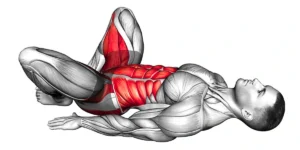
Research shows that consistent Kegel training improves pelvic tone in as little as 6 weeks.
2. Squats
When you squat, your core, glutes, and pelvic muscles all activate. To maximize results:
- Keep feet shoulder-width apart.
- Lower slowly, engaging pelvic muscles.
- Rise while tightening your core.
- Repeat 15–20 reps for 3 sets.
3. Yoga & Breathwork
Certain yoga poses also work wonders for women who want to know how to naturally tighten the vagina:
- Bridge Pose: Strengthens glutes and pelvic floor.
- Child’s Pose: Increases flexibility.
- Happy Baby Pose: Improves circulation to pelvic area.
Adding deep breathing ensures oxygen-rich blood flows to reproductive tissues, enhancing elasticity.
Daily Routine Example
- Morning: 15 minutes of Kegels
- Afternoon: 20 squats
- Evening: 10 minutes yoga stretches
With consistency, results often appear within 2 months.
3: Nutrition & Herbal Remedies
Food is medicine — and vaginal health is no exception.
Foods That Support Tightening
- Vitamin C foods (oranges, guava, kiwi): Essential for collagen repair.
- Protein (fish, eggs, chicken): Builds muscle tone.
- Zinc-rich foods (pumpkin seeds, oysters): Boost tissue healing.
- Phytoestrogens (soy, flax, sesame): Mimic estrogen, supporting elasticity.
Hydration
Dehydrated tissue is less flexible. Drinking 8–10 glasses of water daily keeps tissues plump and healthy.
Herbal Remedies
- Aloe Vera Gel: Naturally hydrates and firms skin. Can be applied topically (external only).
- Witch Hazel: Used for centuries for its tightening properties.
- Fenugreek Tea: Balances hormones, supports reproductive wellness.
- Pueraria Mirifica (Asian herb): Boosts estrogen-like effects.
Tip: Always consult a healthcare provider before using herbs, especially if pregnant or breastfeeding.
4: Lifestyle Habits for Vaginal Health
Your daily choices impact your body’s ability to tighten naturally.
Maintain Healthy Weight
Excess abdominal fat increases pressure on pelvic muscles, weakening them. A balanced diet and exercise routine help reduce this burden.
Quit Smoking & Reduce Alcohol
Both habits reduce blood circulation and collagen production — key elements for vaginal elasticity.
Stay Sexually Active
Healthy intimacy actually improves blood flow and muscle activity in the vaginal area. Couples who maintain regular intimacy often report fewer issues with vaginal looseness.
Hygiene Practices
Good hygiene ensures you avoid infections, which may weaken vaginal tissues. Avoid harsh soaps and instead use pH-balanced products.
5: Emotional Confidence & Partner Connection
Sometimes, the real struggle isn’t physical at all. It’s emotional confidence.
- Body Image: Women often compare themselves unfairly. Recognize that changes after childbirth or aging are normal.
- Open Conversations: Talking with your partner can reduce anxiety and increase intimacy.
- Therapy & Counseling: For women struggling with self-esteem, therapy provides tools to rebuild confidence.
When you feel confident, your partner senses it — making intimacy more fulfilling.
6: Myths About Vaginal Tightening
When women search how to naturally tighten the vagina, they often come across misinformation. Let’s clear a few myths.
Myth 1: Only Surgery Works
Many believe that the only way to restore vaginal tightness is through surgery (like vaginoplasty). While medical procedures exist, natural methods — exercises, diet, and herbal care — have helped thousands of women regain strength without invasive treatments.
Myth 2: Vaginal Looseness Means Less Pleasure
Pleasure depends on emotional connection, arousal, and overall intimacy — not just muscle tightness. Many couples find satisfaction through improved communication and different techniques.
Myth 3: Once Loose, Always Loose
Muscles can always be trained. Just like you can regain fitness after years of inactivity, you can improve pelvic floor strength at any age.
7: Advanced Natural Methods
Vaginal Cones & Weights
These are small, cone-shaped devices inserted into the vagina. The goal is to hold them in place by contracting pelvic muscles. Over time, this resistance training builds strength.
Biofeedback Therapy
Some women use biofeedback machines that provide feedback when they contract pelvic muscles, ensuring they’re doing exercises correctly.
Pilates for Pelvic Floor
Pilates isn’t just for fitness models. Its focus on core strength directly benefits pelvic floor muscles. Moves like leg lifts and hundreds can enhance vaginal firmness.
8: Case Studies & Real-Life Experiences
To understand the impact of learning how to naturally tighten the vagina, let’s look at real scenarios:
- Aisha, 32, Postpartum: After two pregnancies, she felt insecure about looseness. With consistent Kegel training and yoga, she noticed a significant difference within 3 months — not just physically, but also emotionally.
- Maria, 47, Menopause: Menopause lowered her estrogen, leading to dryness and loss of elasticity. With fenugreek tea and aloe care, plus exercise, she reported improvement and more confidence with her partner.
- Sara, 25, Sedentary Lifestyle: Working long hours on a desk job, Sara experienced weak pelvic muscles. She added squats and Pilates to her routine, which helped her strengthen muscles naturally.
9: Role of Partners in Vaginal Health
A supportive partner can make all the difference.
- Encouragement: Partners who encourage rather than criticize help boost confidence.
- Shared Exercises: Some couples do fitness routines together, making it fun.
- Open Communication: Discussing fears openly reduces pressure and improves intimacy.
This partnership approach makes the journey of discovering how to naturally tighten the vagina less stressful and more rewarding.
10: Medical Support & When to Seek Help
Natural remedies work for most women, but sometimes medical guidance is essential.
- Pelvic Floor Therapy: Certified physiotherapists guide women in structured routines.
- Laser Vaginal Rejuvenation: Stimulates collagen production, improving elasticity.
- Hormonal Support: Estrogen creams or supplements may help post-menopausal women.
👉 If you’ve tried natural methods for 6+ months without results, consult a gynecologist.
Conclusion
Learning how to naturally tighten the vagina is about much more than firmness — it’s a journey of self-care, confidence, and reproductive wellness. With exercises, herbal remedies, diet, lifestyle changes, and emotional support, women can feel empowered at any age.
Remember: your body’s journey doesn’t end here. Whether you’re focused on intimacy, recovery after childbirth, or future family planning, tools like the Pregnancy Due Date Calculator and Pregnancy Due Date Calculator with IVF provide helpful guidance on your reproductive timeline.
By blending ancient wisdom with modern health tools, women can achieve natural results — safely, effectively, and confidently.
FAQs
Q1: How long does it take to see results when trying to naturally tighten the vagina?
Most women notice improvements in 6–12 weeks with consistent exercise and lifestyle changes. Following a structured plan can make results more sustainable.
Q2: Can I use the Pregnancy Due Date Calculator with IVF if I conceived through assisted methods?
Yes — our tool includes a Pregnancy Due Date Calculator with IVF option, allowing women to estimate their due date based on embryo transfer date.
Q3: Are herbal remedies safe for tightening?
Generally yes, but consult a doctor if you are pregnant, breastfeeding, or on medication.
Q4: Is looseness always caused by childbirth?
No. Aging, hormones, and lack of muscle use are also key factors.
Q5: Can men notice vaginal looseness?
In most cases, men cannot notice physical differences — confidence and arousal matter more than muscle tone. Strengthening exercises, however, help women feel more in control of their own bodies.
Q6: Is there a connection between vaginal tightness and fertility?
While tightness doesn’t directly affect fertility, strong pelvic floor muscles improve blood flow, which supports reproductive health.
Q7: Can surgery guarantee results better than natural methods?
Surgery may provide quicker results but comes with risks. Natural methods — like Kegels, diet, and yoga — are safer and can be maintained lifelong.
Q8: Do vaginal cones or weights really work?
Yes. They act like dumbbells for your pelvic floor, gradually improving strength.
Q9: How do I know if my pelvic floor muscles are weak?
Common signs include urinary leakage when coughing or sneezing, difficulty holding contractions, or a feeling of heaviness in the pelvic area.
Q10: Can I do too many Kegels?
Yes — over-exercising can cause tension. Balance Kegels with relaxation stretches like yoga and breathing exercises to keep the pelvic floor healthy.
References
- American College of Obstetricians and Gynecologists (ACOG). Pelvic Floor Exercises and Women’s Health.
https://www.acog.org/womens-health/faqs/pelvic-floor-exercises - Cleveland Clinic. Pelvic Floor Dysfunction: Causes, Symptoms & Treatment.
https://my.clevelandclinic.org/health/diseases/14415-pelvic-floor-dysfunction - Mayo Clinic. Kegel Exercises: A How-to Guide for Women.
https://www.mayoclinic.org/healthy-lifestyle/womens-health/in-depth/kegel-exercises/art-20045283 - National Institutes of Health (NIH). Female Pelvic Floor Anatomy and Function.
https://www.ncbi.nlm.nih.gov/pmc/articles/PMC3499405/ - Harvard Health Publishing. Strengthening the Pelvic Floor Muscles.
https://www.health.harvard.edu/bladder-and-bowel/strengthening-your-pelvic-floor-muscles